When do puppies lose their baby teeth?
Most puppies start losing their baby teeth at about 12 weeks old, and the whole changeover is usually finished by 6 to 7 months, when all 42 adult teeth are in. The first teeth to go are usually the tiny front incisors, followed by the canine teeth and then the premolars, and the process is rarely dramatic: many owners never find a single tooth, because puppies swallow most of them without noticing.
When do puppies lose their baby teeth, and how do you know it is happening? The short version is that teething runs on a fairly predictable schedule, but individual puppies vary by a few weeks, and small breeds often run a little behind large ones. This guide walks through the week by week timeline, the signs that teething has started, what is normal, and how to soothe sore gums safely, plus the one situation that needs a vet: a baby tooth that refuses to leave.
The Puppy Teething Timeline, Week by Week
The short answer to when do puppies lose their baby teeth is that it is a months-long swap, not a single day. Puppies are born toothless. Their 28 baby teeth, also called deciduous teeth, arrive in the first two months, and then the 42 adult teeth push them out over the next few months. Here is how it usually unfolds.
| Age | What happens |
|---|---|
| 3 to 6 weeks | Baby teeth start erupting. Incisors come first, then canines, then premolars. Your puppy can start on soft, moistened food. |
| 6 to 8 weeks | All 28 baby teeth are usually in. This is the classic puppy mouth: sharp, needle-like little teeth. |
| 12 to 16 weeks | Shedding begins. The front incisors loosen and fall out first, and the adult incisors come in behind them. |
| 4 to 5 months | Canine teeth and premolars swap over. This is peak chewing season, and the phase most owners notice. |
| 5 to 6 months | Molars arrive. Adult dogs have 10 more teeth than puppies, and the molars are the extra ones. |
| 6 to 7 months | Teething is usually complete. A healthy adult dog has 42 teeth: 20 on top, 22 on the bottom. |
Do puppies lose teeth on a strict schedule? No. A week or two of variation in either direction is normal, and toy breeds sometimes keep a baby tooth longer than expected. The schedule matters less than the direction of travel: baby teeth out, adult teeth in, gums settling down as the months pass.
Signs Your Puppy Is Teething
Teething rarely announces itself with a single dramatic symptom. Look for a cluster of small changes:
- Chewing everything in reach, far more than usual, including furniture legs, shoes, and hands.
- Drooling more than normal, sometimes with a little blood on chew toys or in the water bowl. A few pink spots are normal; steady bleeding is not.
- Sore or swollen-looking gums, especially where a new tooth is pushing through.
- A picky appetite or a preference for softer food for a few days while the mouth is tender.
- Mild fussiness, restlessness at night, or extra mouthing during play.
- Tiny teeth found on the floor, in bedding, or in a toy. Most are swallowed, which is harmless.
When do puppies stop teething? Most are done by 6 to 7 months, though some large breeds finish closer to 8 months. If chewing suddenly spikes again after teething should be finished, the cause is usually boredom or a new habit rather than teeth, and that is a training question, not a dental one.
How to Soothe Sore Gums Safely
Sore gums are uncomfortable, not dangerous, and the best relief is cold, pressure, and something safe to chew. These are the options vets most often recommend:
- Frozen washcloth. Soak a clean washcloth, twist it, freeze it, and let your puppy chew it under supervision. Cold numbs the gums and the texture satisfies the urge to gnaw.
- Frozen chew toys. Fill a rubber chew toy with water or plain puppy-safe broth and freeze it overnight. Give it in a crate or on a washable surface, and take it away once it thaws and softens.
- Chilled carrots. A whole chilled carrot (not baby carrots, which are a choking risk) gives a puppy something firm and cold to work on. Supervise, and remove it if pieces break off.
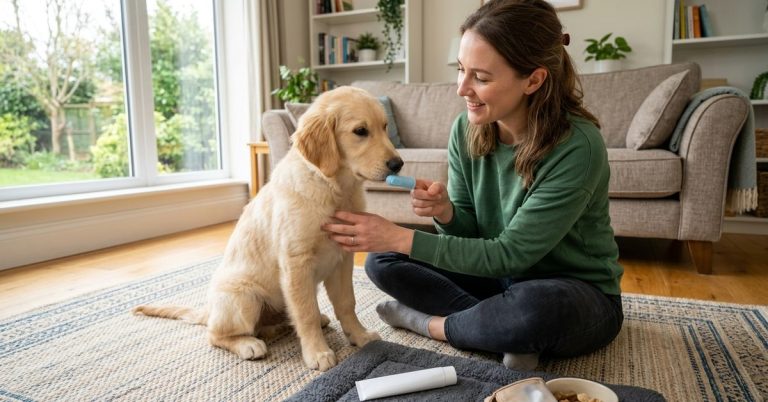
- Gentle gum massage. A clean finger rubbed slowly along the gumline for a minute or two can calm a fussy puppy, and it doubles as early practice for toothbrushing later.
- Appropriate chew toys. Size the toy to your puppy and check it for wear daily. A toy your puppy can destroy in minutes is the wrong toy.
Skip human teething gels entirely. Gels made for babies, including anything with benzocaine, are not made for dogs and can be unsafe if swallowed. If your puppy seems to be in real pain, or a gum looks badly swollen or infected, ask your vet before using any product on the gums.
When a Baby Tooth Refuses to Leave
Sometimes an adult tooth erupts while the baby tooth is still in place. This is called a retained deciduous tooth, and it is most common with the canine teeth in small breeds. Two teeth crowded into one spot trap food and plaque, push the adult tooth out of alignment, and can damage the adult tooth over time.
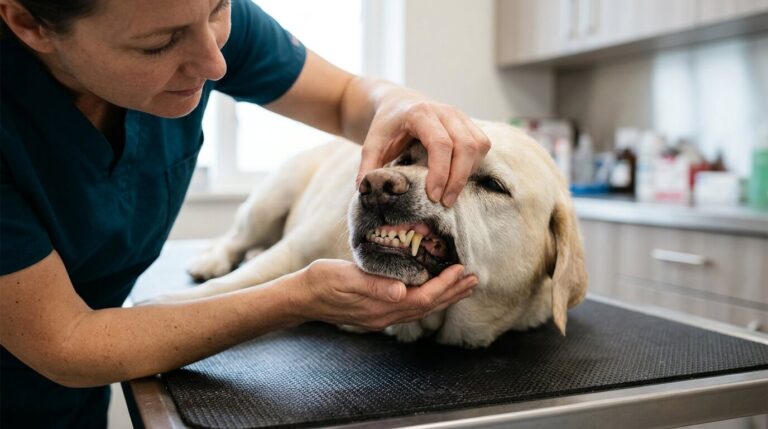
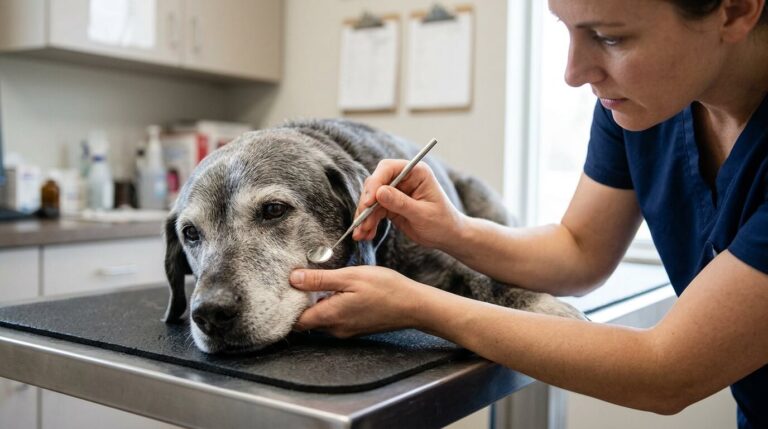
Check your puppy’s mouth once a week during teething. If you see two teeth side by side where one should be, or a baby tooth still present after 6 months, mention it at your next vet visit, or sooner if the gum looks sore. Retained teeth usually need to be removed under anesthesia, and vets often check for them during spay or neuter surgery so the puppy only goes under once.
After Teething: Protecting the Adult Teeth
Once the adult teeth are in, the job changes from surviving teething to protecting the teeth your dog will keep for life. Start toothbrushing early, while your puppy is still used to having its mouth handled. Our guides cover how to clean dogs teeth at home and how to clean dog teeth without brushing for days when brushing does not happen, and how much a dental cleaning costs if tartar ever needs professional removal. And one rule that starts now and never changes: dogs cannot use human toothpaste.
Knowing when do puppies lose their baby teeth takes the worry out of the mess. A few size notes help too: toy breeds often teethe a little later and are the most likely to keep a retained canine tooth, so small-breed owners should check the mouth weekly right through month seven. Large breeds usually finish on schedule but chew harder, so size every toy up and retire anything with cracks. And one caution for the whole teething period: skip hard bones, antlers, and nylon chews for puppies. Their adult teeth are still settling, and very hard chews can crack a tooth or break a baby tooth off at the gumline. Frozen washcloths and puppy-rated rubber toys give the same relief without the risk.
Teething is a short, messy phase with a clear end. Know the timeline, give your puppy cold things to chew, check the mouth weekly, and call your vet about any tooth that overstays its welcome. The adult teeth that come out of it will last a lifetime with a little routine care.
Need Local Pet Support or an Open Vet Near You?
Use DaisyDu's free neighborhood tools to find 24/7 open emergency animal hospitals, arrange local playdates, or broadcast a lost pet SOS alert.