How much is a dental cleaning for dogs?
Most US clinics charge roughly $500 to $1,000 for a routine professional dental cleaning, which includes anesthesia, scaling, and polishing. Dental x-rays and tooth extractions add to the bill, and complex cases can run well past $1,500. Prices vary by region, clinic, and your dog’s size and dental health.
If the estimate your vet quoted made you blink, you’re not alone: how much is a dental cleaning for dogs ranks among the most misunderstood bills in pet care. The number looks high until you see what it actually covers, and there are real ways to keep the next one lower. Here is the full breakdown.
Typical Cost: What US Clinics Charge
Think in bands, not exact figures. When owners ask how much a dental cleaning for dogs is, the honest answer is a range: what most US veterinary clinics charge lands somewhere inside the bands below, depending on region, clinic type, and your dog’s mouth.
| Service level | Typical US range | What it covers |
|---|---|---|
| Routine cleaning | Roughly $500–$1,000 | Anesthesia, full scaling, polishing |
| Pre-anesthetic bloodwork | Roughly $75–$200 | Often required before anesthesia, especially for seniors |
| Cleaning + dental x-rays | Roughly $800–$1,500 | Everything above plus full-mouth radiographs |
| Cleaning + extractions | $1,000–$2,000+ | Above plus surgical extractions, priced per tooth and complexity |
Typical ranges, not quotes. Always get your clinic’s written estimate before booking.
What the Price Actually Includes
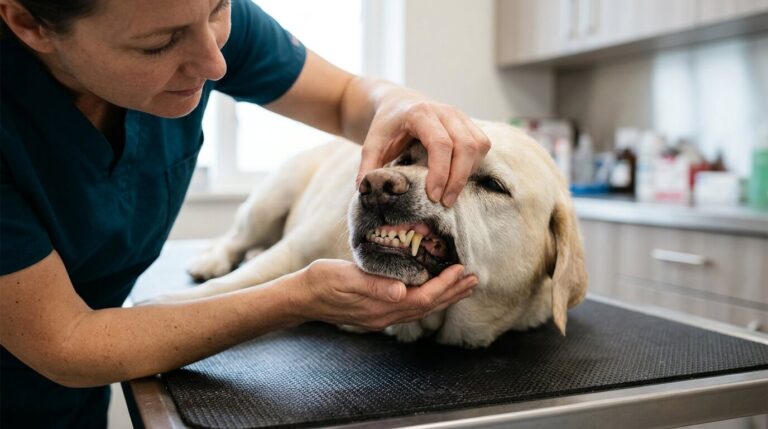
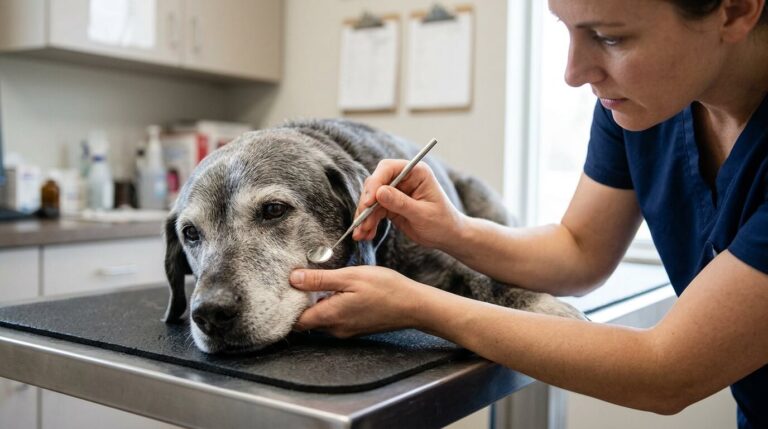
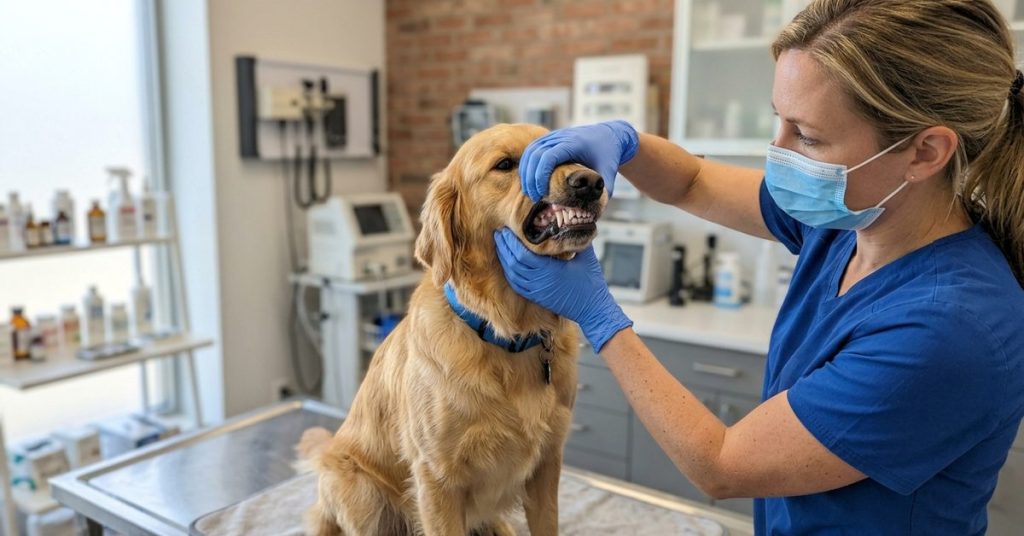
A professional dental cleaning is a medical procedure, not a cosmetic one. To understand the price, start with that bundle: you are paying for anesthesia, monitoring, and work below the gumline, not a polish. The fee covers pre-anesthetic bloodwork to confirm your dog can safely go under, general anesthesia with monitoring, scaling above AND below the gumline (where disease hides), polishing to slow future tartar buildup, and often dental x-rays, which reveal problems invisible to the naked eye like dead or abscessed roots. That bundle is why the bill looks nothing like a human dental cleaning.
What Drives the Price Up (or Down)
- Your dog’s size: larger dogs need more anesthesia and longer procedure time.
- Dental x-rays: add cost but catch hidden disease; many vets consider them non-negotiable.
- Extractions: the biggest variable. One simple extraction adds a moderate fee; multiple surgical extractions can double the bill.
- Region and clinic type: urban specialty practices charge more than rural general practices.
- General practice vs. specialist: a board-certified veterinary dentist costs significantly more than a general-practice vet, but is the right call for complex oral surgery or advanced disease.
- Pre-existing disease: advanced periodontal disease means longer anesthesia and more work.
Emergency dental work costs far more than a scheduled cleaning. A broken tooth or abscess at midnight is an emergency bill, not a cleaning bill. See what an emergency vet visit costs so you understand the gap, and keep DaisyDu’s Live Vet Map handy for urgent situations.
Why Anesthesia Is Required
Anesthesia-free “dental cleanings” exist and cost less, but veterinary dentists are blunt about their limits: without anesthesia, nobody can clean below the gumline, take x-rays, or safely work in a painful mouth. What you get is cosmetic scraping of visible tartar while disease progresses unseen underneath. For a genuinely healthy mouth, anesthesia is not optional padding on the bill. It is the procedure.
Ask your vet whether the estimate includes dental x-rays. If it doesn’t, ask what changes without them. An informed question here can save you from paying for a cleaning that misses the real problem.
How Home Care Lowers Your Next Bill
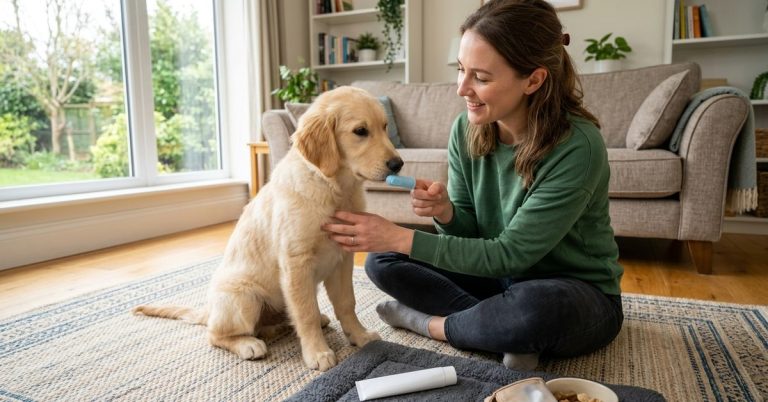
The cheapest answer to how much is a dental cleaning for dogs is the one you push further into the future. Daily brushing remains the gold standard for slowing tartar between professional cleanings, and dogs that get consistent home care typically need fewer extractions over their lifetime, which is where the big money goes. Start with our guide to cleaning your dog’s teeth at home: even a few brushings a week beats nothing, and it compounds year after year.
Two more ways to soften the bill when one is due: ask whether your clinic offers a wellness plan that bundles dental work, and check nonprofit or low-cost clinics in your area, which sometimes offer basic cleanings well below typical private-practice prices. And remember that asking how much is a dental cleaning for dogs always gets you a range, never a single number, so compare itemized estimates line by line before you book.

Why do dental cleaning prices vary so much between vets?
Because “dental cleaning” isn’t one standardized service. One clinic’s quote includes bloodwork, x-rays, and monitoring; another’s covers anesthesia and scaling only, with everything else itemized separately. Region, clinic overhead, and your dog’s size all shift the number. Compare itemized estimates line by line, not just the totals.
Does pet insurance cover dental cleanings?
Usually not the routine cleaning itself. Most accident-and-illness plans exclude preventative care unless you buy a wellness add-on. What insurance often DOES cover is dental treatment for injury or disease, like extractions for a fractured tooth. Check whether your plan has a dental illness rider before you need it.
Can my dog’s teeth be cleaned without anesthesia?
They can be scraped, not cleaned. Anesthesia-free services remove visible tartar above the gumline but cannot clean below it, take x-rays, or treat painful areas, which is where periodontal disease actually lives. Veterinary dental organizations do not consider it a substitute for an anesthetized cleaning. It is cheaper because it does far less.
How often does a dog need a professional dental cleaning?
Most dogs benefit from a professional cleaning every one to two years, but it varies widely. Small breeds and dogs prone to dental disease may need annual cleanings, while large dogs with good home care can go longer. Your vet grades dental health at each checkup: that score, not the calendar, should set the schedule.
Need Local Pet Support or an Open Vet Near You?
Use DaisyDu's free neighborhood tools to find 24/7 open emergency animal hospitals, arrange local playdates, or broadcast a lost pet SOS alert.