How to clean dog’s teeth without brushing: does it work?
You can slow plaque with dental chews, water additives, dental wipes, textured diets, and chew toys, but be honest with yourself: nothing cleans like brushing. Think of these as plaque-slowing helpers between brushings, not replacements. Dogs with heavy tartar still need a professional veterinary cleaning.
If you’re wondering how to clean dog’s teeth without brushing, here’s the honest answer first: you can’t, not fully. No chew or additive scrubs like bristles do. But you can slow plaque buildup a lot, and for dogs who won’t tolerate a toothbrush, these five options are far better than doing nothing.
The Honest Truth: Brushing Is Still Best
Veterinary dentists are unanimous: daily brushing is the gold standard for home dental care. Everything below helps, but each one is a partial measure. If your dog tolerates brushing even two or three times a week, our brushing guide will get you started gently. Treat this article as your plan B, not a reason to skip plan A.
1. Dental Chews
The most effective brushing alternative. Chews with a textured, flexible design scrub tooth surfaces as the dog gnaws, and many include enzymes that discourage bacterial growth. Look for the Veterinary Oral Health Council (VOHC) seal of acceptance on the package: it means the product actually met tested standards for plaque or tartar control, not just marketing claims. Match chew size to your dog and always supervise.
2. Water Additives
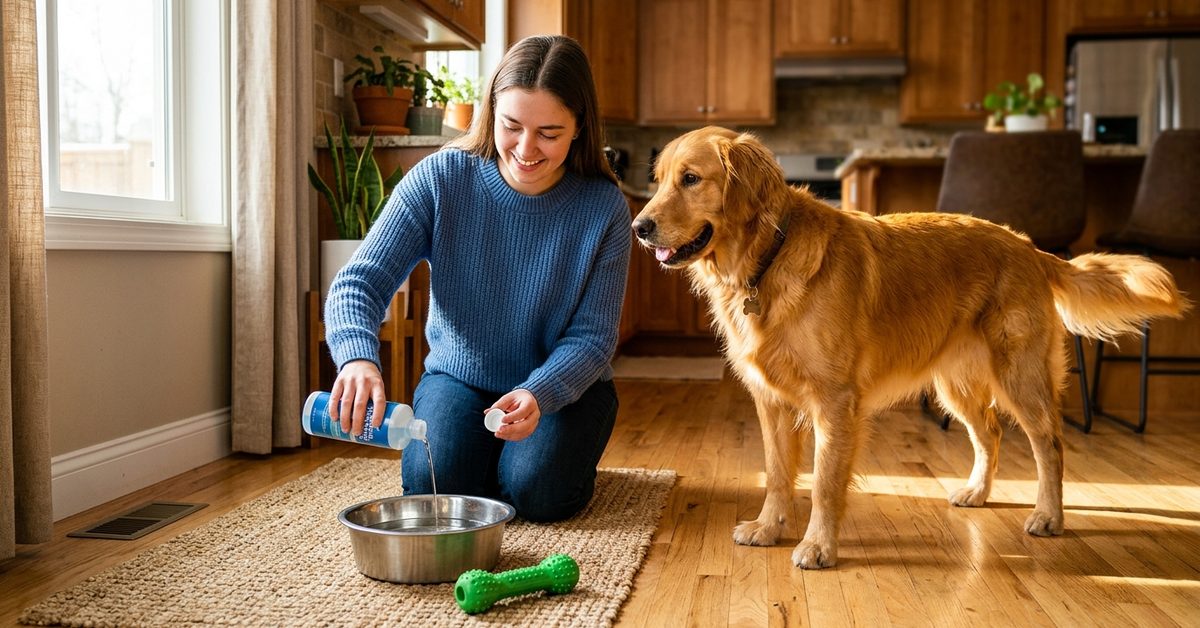
These go in the water bowl to reduce bacteria in the mouth with every drink. They’re the lowest-effort option here, which is their whole appeal. Be realistic about results: the effect is mild compared to anything with mechanical scrubbing action. Choose products formulated for pets from reputable brands, change the water daily, and skip anything with questionable ingredient lists.
Dental powders sprinkled on food, including seaweed-based ones, are another low-effort option with some trial evidence behind them. They work through saliva rather than scrubbing, so treat them as a complement to chews or wipes rather than a standalone plan. Check for the VOHC seal here too.
3. Dental Wipes and Finger Brushes
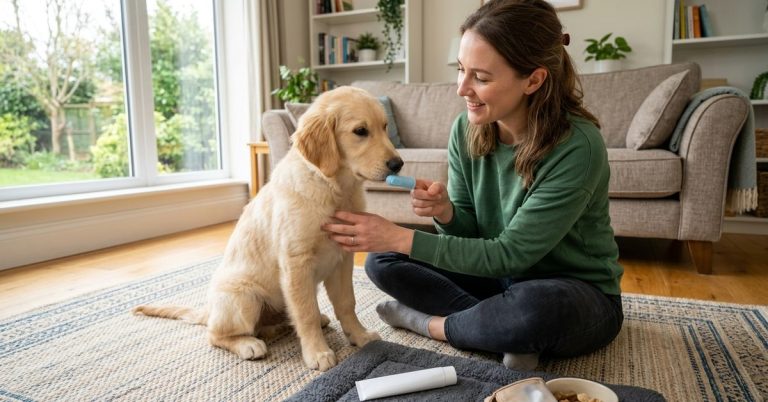
A middle ground for dogs who hate toothbrushes but tolerate handling. Textured wipes rubbed along the outer tooth surfaces remove soft plaque before it hardens into tartar. Finger brushes, soft silicone sleeves worn on your fingertip, feel less invasive than a long brush handle. Focus on the upper outer teeth, where tartar builds fastest. A few times a week makes a real difference.
Dental sprays and enzymatic gels work on the same principle with even less handling: spritz or rub the product onto the teeth and let saliva and enzymes do the work. They are weaker than wipes at physically removing soft plaque but useful for dogs who won’t tolerate fingers in their mouth at all. As with additives, choose pet-formulated products and skip anything with xylitol.
4. Diet Texture and Chew Toys
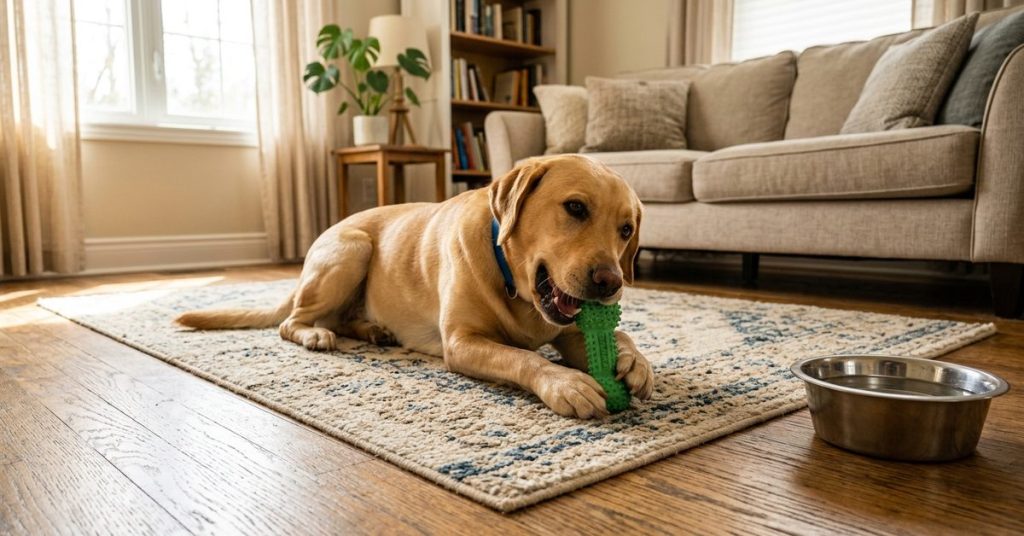
Crunchy kibble provides mild abrasive action compared to soft food, though the effect is modest. Dental-specific kibbles are larger and fibrous, designed to scrub as the tooth sinks in. Rubber chew toys with ridges add gentle daily friction. One caution: extremely hard chews like antlers and bones can wear teeth down or crack them, trading one dental problem for a worse one. If you can’t dent it with your thumbnail, it’s too hard.
Layer two or three methods rather than relying on one. A daily dental chew plus water additive plus weekly wipe sessions beats any single option alone. That’s the realistic version of how to clean dog’s teeth without brushing: a layered routine, not a single miracle product.
5. When Only a Vet Cleaning Will Do
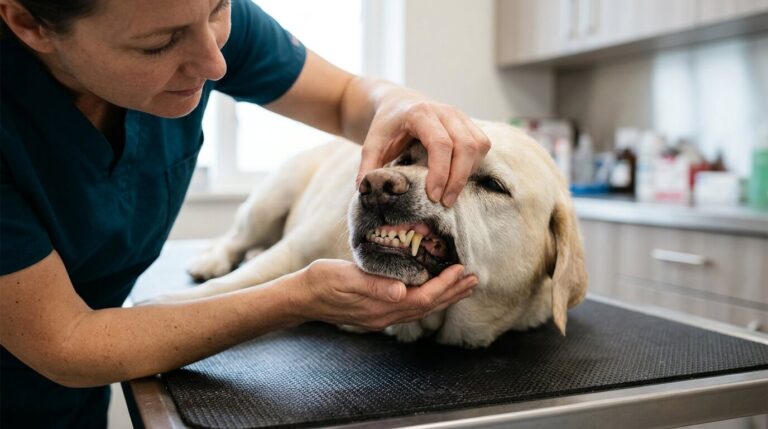
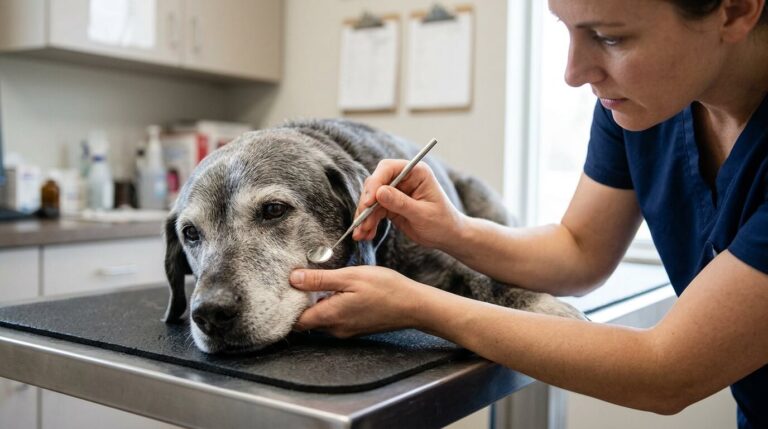
Once soft plaque hardens into tartar, no home method removes it. Signs your dog needs a professional cleaning: brown or yellow buildup along the gumline, red or bleeding gums, persistent bad breath, or reluctance to chew. Veterinary cleanings happen under anesthesia so every surface, including below the gumline, gets cleaned safely. Find a vet near you on DaisyDu’s Live Vet Map →
Every method for how to clean dog’s teeth without brushing works best as part of a routine, not a rescue mission. Start these early, stay consistent, and let your vet check teeth at every annual visit.
Do dental chews actually clean teeth?
The good ones help meaningfully. Chews carrying the VOHC seal of acceptance have passed testing for plaque or tartar reduction, which separates them from ordinary treats with dental marketing. They work through scrubbing action plus enzymes. They won’t match brushing, but a daily quality chew is the strongest single alternative you’ve got.
Are dental water additives safe for dogs?
Products made specifically for pets by reputable brands are generally safe when used as directed. Avoid anything with xylitol (extremely toxic to dogs) and skip no-name products with vague ingredient lists. They’re the mildest option here, so treat them as a supplement to chews or wipes rather than your whole dental plan.
How often should I use dental wipes on my dog?
Aim for three to four times a week, focusing on the outer surfaces of the upper teeth where tartar accumulates fastest. Daily is ideal if your dog tolerates it. Wipes remove soft plaque before it mineralizes into tartar, so consistency matters more than intensity. Pair with a treat afterward to keep the routine positive.
My dog’s teeth are already brown. Will chews fix that?
No. Brown buildup is usually hardened tartar, and no chew, wipe, or additive removes tartar once it’s mineralized. Only a professional veterinary cleaning under anesthesia can. Start the home methods after that cleaning to slow new buildup. Think of it this way: home care maintains; the vet resets.
Need Local Pet Support or an Open Vet Near You?
Use DaisyDu's free neighborhood tools to find 24/7 open emergency animal hospitals, arrange local playdates, or broadcast a lost pet SOS alert.