Dogs teeth falling out
For an adult dog, a tooth falling out is a sign of a problem, most often advanced gum disease, and it needs a vet visit rather than watchful waiting. Puppies losing baby teeth are the one normal exception. This guide covers the causes, the warning signs, and what to do when you find a tooth.
Dogs teeth falling out in an adult dog is not like a child losing a tooth. Adult dog teeth are meant to last for life, so when one comes out, something has weakened the structures holding it in place. The good news is that the most common cause is treatable, and catching it early can save the rest of the mouth. This guide walks through the causes in order of likelihood, the signs that mean urgent care, and the everyday habits that protect the teeth your dog still has.
First, the One Normal Case: Puppies
If your dog is under 7 months old, a lost tooth is usually just teething. Puppies lose 28 baby teeth as 42 adult teeth push through, and most owners never find a single one, because puppies swallow them harmlessly. Our guide explains when puppies lose their baby teeth and what normal teething looks like week by week. The rest of this article is about adult dogs, where tooth loss always deserves attention.
Do dogs lose teeth as adults in the same way? No. Once the adult set is in, there is no third set waiting. An adult tooth that falls out will not grow back, which is why vets treat adult tooth loss as a symptom to investigate, not an event to shrug off.
Why Do Dogs Teeth Fall Out? The Main Causes
Periodontal disease is the leading cause, and it starts quietly. Plaque, the soft bacterial film on teeth, hardens into tartar, and bacteria work under the gumline, inflaming gums and destroying the bone and ligaments that hold teeth in place. VCA Animal Hospitals describes periodontal disease as the most common clinical condition in adult dogs, and it often progresses with few obvious signs until teeth loosen. Small breeds and dogs with crowded teeth are at higher risk, because plaque collects more easily in tight spaces.
Trauma is the second major cause. A hard fall, a collision, chewing rocks, or biting down on an antler or bone can fracture a tooth, and a fractured tooth may fall out days or weeks later as the damaged root weakens. If your dog suddenly loses a tooth after a known impact, or you find a broken piece rather than a whole tooth, tell your vet about the incident, because the remaining root may still need treatment.
Other causes are less common but worth knowing. Severe tooth decay, a mouth tumor, and certain metabolic or immune conditions can all loosen teeth. Long term poor nutrition can weaken gums and bone, and some medications, including certain cancer treatments, list mouth problems among their side effects. A vet can sort these out with an exam, dental X-rays, and blood work when needed, which is why a single lost tooth is a reason to book a visit, not just to count the remaining teeth.
Warning Signs to Watch For
- Bad breath that is new, or much worse than usual.
- Red, swollen, or bleeding gums, or blood on chew toys and in the water bowl.
- Drooling more than usual, or dropping food from one side of the mouth.
- Chewing on one side only, eating slowly, or refusing hard food and treats.
- Pawing at the face, flinching when the mouth is touched, or head shyness.
- Visible tartar, discolored teeth, or a tooth that wiggles when you gently check it.
- Swelling under the eye or along the jaw, which can signal an abscessed tooth root.
Can dogs teeth fall out without any of these signs? Yes, especially early on, because dogs hide mouth pain well and keep eating through discomfort. That is why a lost tooth on its own, with no other symptoms, still warrants a vet visit. The mouth may look fine from the outside while disease works under the gumline.
When Tooth Loss Is an Emergency
Swelling of the face or jaw, bleeding that will not stop, a broken jaw, trouble breathing, or a dog that cannot close its mouth needs same day vet care. Do not try to push a tooth back in or pull a loose tooth yourself. Keep the tooth if you find it, keep your dog calm, and get help fast. Find an open emergency vet near you on DaisyDu’s Live Vet Map
What to Do When You Find a Tooth
Step 1: Stay calm and check the mouth. Look, without forcing the jaw, for bleeding, swelling, and other loose teeth. Note whether the tooth is whole or broken, and whether your dog is eating and drinking normally.
Step 2: Save the tooth. Put it in a clean container. It helps your vet judge whether the root came out whole or fractured, which changes the treatment plan.
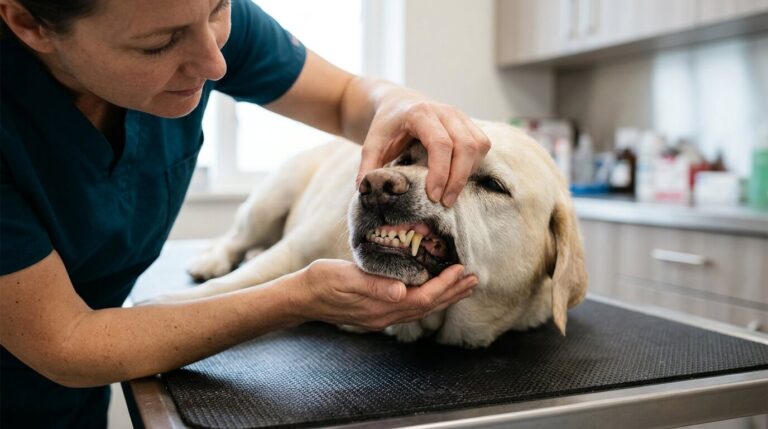
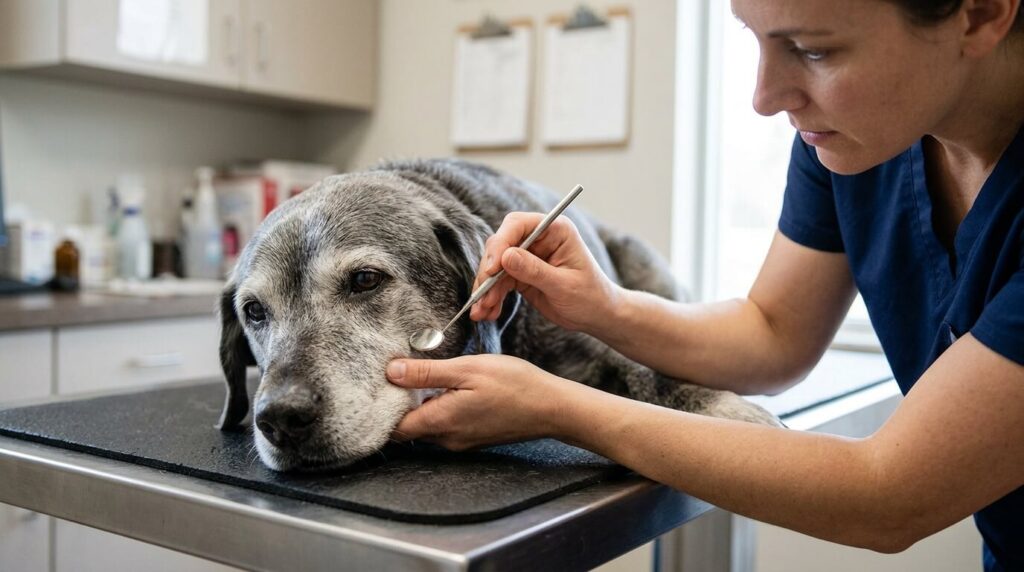
Step 3: Book a vet dental visit. Expect an oral exam and usually dental X-rays under anesthesia, because most tooth roots and bone loss hide below the gumline. Your vet may recommend cleaning, extractions of other diseased teeth, and antibiotics if infection is present.
Step 4: Adjust food while you wait. Offer softened food and remove hard chews until the vet has checked the mouth. A dog that is already missing teeth may need softer food permanently, and that is a normal, manageable change.
Life After Tooth Loss: What Changes?
Most dogs adapt to missing teeth far better than owners expect. Dogs do not chew the way people do: they tear, crush, and swallow, and a dog missing several teeth can often eat a normal diet, sometimes softened, without losing weight or enjoyment. Your vet may suggest smaller kibble, soaked food, or a dental diet, and will advise on which chews are still safe. What matters most is stopping the disease that caused the loss, so the remaining teeth stay put.
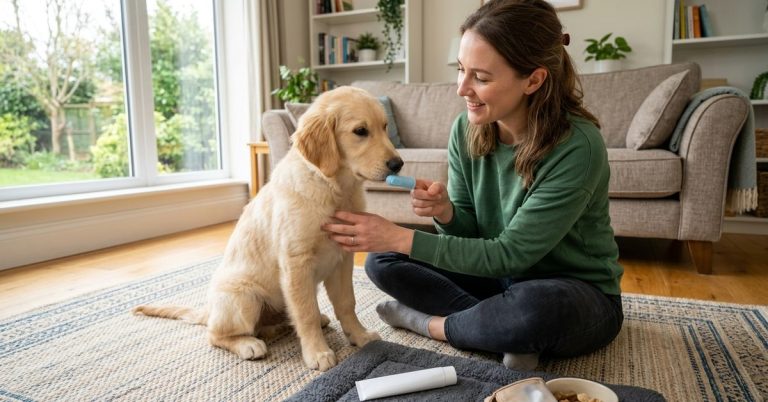
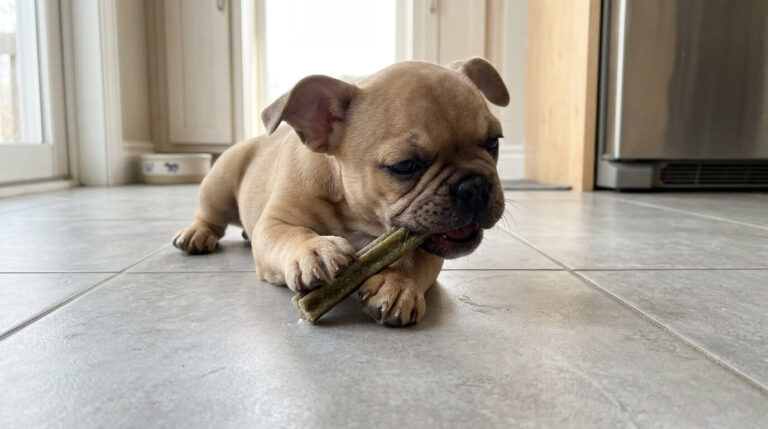
Prevention after a loss is the same routine vets recommend before one: daily brushing with dog toothpaste if your dog accepts it, dental chews sized for your dog, and professional cleaning when tartar builds up. When dogs teeth falling out is caused by gum disease, treating the disease matters more than replacing the tooth, because the same bacteria threaten every tooth that remains. Our guides cover how to clean dogs teeth at home, how to clean dog teeth without brushing, and how much a dental cleaning costs. Dogs cannot use human toothpaste, as explained in our guide to can dogs use human toothpaste, so keep human products out of the routine entirely.
Dogs teeth falling out should always trigger a vet visit, even when the dog seems unbothered. A dog losing teeth is a message, not a verdict. It says the mouth needs attention, and attention now usually saves teeth later. Book the dental visit, start the home routine your vet recommends, and check the mouth monthly for new loosening, swelling, or odor changes. Adult teeth do not grow back, but with care, the ones your dog still has can last the rest of its life.
Do dogs teeth fall out when they get old?
Age alone does not make teeth fall out, though older dogs have had more years for gum disease to progress, so tooth loss is more common in seniors. A senior dog with healthy gums can keep a full set of teeth. If an older dog loses teeth, the cause still needs a vet check, usually periodontal disease.
Why do dogs teeth fall out after an injury?
Trauma can fracture a tooth or damage its root, and the tooth may fall out at once or weeks later as the root weakens. A fractured tooth can also become infected even if it stays in place, so any mouth injury with a broken or missing tooth needs a vet exam and usually dental X-rays.
Can a dog eat normally with missing teeth?
Most dogs adapt well, often eating the same food, sometimes softened or in smaller kibble. Dogs tear and swallow rather than grinding like people do, so missing molars matter less than owners fear. Your vet can advise on food texture and safe chews based on which teeth remain.
My dog’s teeth are falling out and its breath smells bad. What first?
Book a vet dental visit promptly, and do not wait for more teeth to go. Bad breath with tooth loss usually points to advanced gum disease with infection under the gumline. Until the visit, offer soft food, remove hard chews, and watch for swelling, bleeding, or refusal to eat.
Need Local Pet Support or an Open Vet Near You?
Use DaisyDu's free neighborhood tools to find 24/7 open emergency animal hospitals, arrange local playdates, or broadcast a lost pet SOS alert.