Dog UTI Symptoms
The most common dog uti symptoms are asking to go out far more often than usual, passing only small amounts of urine, straining or crying while peeing, blood or a strong smell in the urine, and sudden accidents in a housetrained dog. A cluster of these signs means a vet check soon.

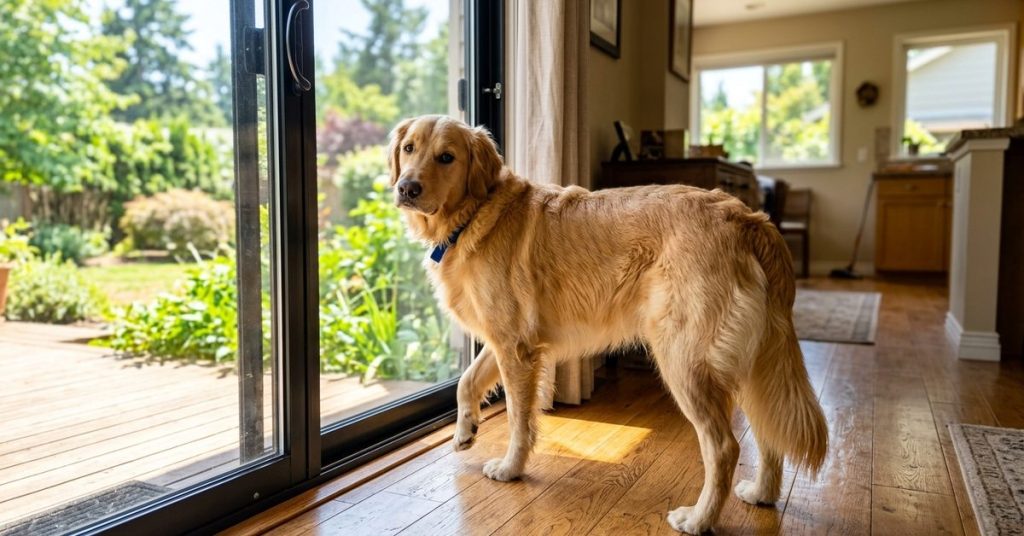
Your housetrained dog has just had an accident by the back door, then asked to go out again twenty minutes later, then squatted in the yard and produced almost nothing. Nothing about the day changed, except the peeing. That pattern is the classic way a urinary tract infection, or UTI, first shows up, and it is easy to mistake for a house training slip. It is not. When a dog that knows the rules suddenly cannot follow them, the bladder is usually trying to say something.
The Signs to Watch For
A UTI in dogs is usually an infection of the bladder, caused by bacteria travelling up the urethra. Cornell University College of Veterinary Medicine lists the most common signs as straining to urinate, frequent small amounts of urination, accidents in the house, foul smelling urine, excessive licking of the genital area, and blood in the urine. VCA Animal Hospitals describes the same picture: dogs with a UTI generally attempt to urinate frequently, may strain or cry while urinating, and may drip urine or lick their genitals more than usual.
Watch for this cluster rather than waiting for one dramatic symptom:
- Asking to go out much more often, then peeing only a little each time.
- Straining, squatting repeatedly, or crying and whining while peeing.
- Accidents in the house from a dog that is normally reliable.
- Blood in the urine, cloudy urine, or urine that smells much stronger than usual.
- Dripping urine between trips outside, or constant licking around the urinary opening.
- A sore looking belly, restlessness, or seeming uncomfortable when settling down to sleep.
Some dogs show almost no obvious pain. VCA notes that a break in house training is a red flag even on its own. If your dog is suddenly having accidents and you cannot point to a change in routine, a new pet, or a move, put a possible UTI at the top of the list, not the bottom.
When to Call the Vet Right Away
Call your vet the same day if you see blood in the urine, your dog strains but passes little or no urine, or urinary signs come with fever, vomiting, tiredness, or refusing food. Straining with no urine at all can mean a blockage, which is an emergency, especially in male dogs. Do not wait to see if it clears up on its own. Find an open vet near you on DaisyDu’s Live Vet Map
Signs of UTI in Female Dogs
Signs of uti in female dog cases look much like the general list, but female dogs get UTIs more often than males, and the reason is anatomy. Cornell notes that UTIs are relatively common in dogs, especially in females, because bacteria have a shorter path up the urethra into the bladder. That is why a female dog with repeat infections deserves a closer look rather than a shrug and another round of the same response.
One pattern to watch for in females is a recessed or hooded vulva, where extra skin folds trap moisture and bacteria near the urinary opening. Dogs with this anatomy can get infection after infection. If your female dog has had two infections in six months, or three in a year, Cornell defines that as recurrent, and your vet will usually want to look for an underlying cause rather than treating each episode as a one off. Puppies are not exempt either: a sudden setback in house training in a puppy that was making progress is worth mentioning at the next vet visit, and sooner if blood or straining is involved.
UTI or Something Else? The Look-Alikes
Dog uti symptoms overlap with several other problems, which is why a vet visit matters more than a guess. Bladder stones can cause the same straining, blood, and frequent peeing. Prostate problems in older male dogs can look very similar. Even stress or a change in routine can cause accidents, though stress alone does not usually cause blood in the urine or crying while peeing.
The clearest dividing lines are these. Blood in the urine, pain while peeing, and fever point toward a medical problem, not a behavior problem. Straining with no urine at all points toward a blockage and needs emergency care. Accidents alone, with normal urine and no straining, could be behavior, anxiety, or a medical issue, and the vet can help sort it out. Our guide to why dogs throw up covers another symptom that often travels with feeling unwell, and dog diarrhea home treatment explains when gut symptoms need a vet rather than home care. Neither replaces a urine test for a suspected UTI.
What Happens at the Vet Visit
Your vet will usually start by asking when the signs began and whether your dog has had infections before, then feel the bladder and ask for a fresh urine sample. That sample is the key step: it is what separates a UTI from stones, crystals, or other bladder problems that look the same from the outside. If infections keep coming back, your vet may suggest further tests such as blood tests, an X-ray, or an ultrasound of the bladder, as the PDSA describes in its bladder infection guide.
Do not try to treat a suspected UTI at home with leftover medication or products marketed for urinary health. The right treatment depends on what the urine test shows and on your dog’s health history, and using the wrong product can mask the signs while the infection spreads toward the kidneys. Signs that an infection may have reached the kidneys include fever, tiredness, vomiting, and loss of appetite alongside urinary signs. Those need prompt vet care. If cost is a worry, our guide to emergency vet visit cost explains what to expect and what questions to ask before you go.
Preventing the Next One
You cannot prevent every UTI, but a few habits lower the odds, especially for dogs that have had one before. Give your dog regular chances to pee and do not make them hold it for very long stretches, since urine sitting in the bladder gives bacteria more time to grow. Keep fresh water available so your dog drinks and flushes the bladder naturally. Keep the fur around the urinary opening clean and trimmed if it tends to trap moisture, and wipe gently after muddy walks.
For dogs with repeat infections, ask your vet about underlying causes rather than accepting each episode as bad luck. Cornell lists bladder stones, diabetes, Cushing’s disease, kidney disease, incontinence, and anatomic differences such as a hooded vulva or ectopic ureters among the factors that make UTIs more likely. Treating the underlying cause is often what finally breaks the cycle. And keep a simple note of each episode: date, signs, and what the vet found. That record turns a vague “she gets these a lot” into a pattern your vet can act on. Spotting dog uti symptoms early is the habit that keeps a simple infection simple.
A UTI is common, uncomfortable, and very treatable once it is identified. The mistake is waiting, because a dog that is straining to pee is already telling you something is wrong. Believe the accidents, believe the frequent trips outside, and get the urine tested. Most dogs feel much better quickly once the right treatment starts, and the sooner you call, the simpler the fix usually is.
Can a dog have a UTI with no obvious symptoms?
Yes, some dogs, especially older dogs, show only subtle changes such as slightly more frequent trips outside or a small accident that owners blame on excitement. Vets sometimes find bacteria in urine during tests done for other reasons. That is why a sudden change in peeing habits, even a mild one, is worth mentioning at a checkup.
How long does a dog UTI usually last once treatment starts?
Many dogs start peeing more comfortably within a day or two of starting vet prescribed treatment, but feeling better is not the same as being clear. Finishing the full course your vet prescribes matters, because stopping early is one reason infections come back. Your vet may ask for a follow up urine sample to confirm the infection is gone.
Are male dogs less likely to get a UTI?
Male dogs do get UTIs less often because their longer urethra gives bacteria a longer journey to the bladder. When a male dog does get one, vets often look harder for an underlying cause, such as prostate disease or bladder stones. A male dog straining with no urine needs emergency care, as blockage is more likely in males.
Does cranberry juice or a supplement cure a dog UTI?
No supplement replaces a vet diagnosis and treatment for an active infection. Some products are marketed for urinary support, but they do not clear bacteria from the bladder, and relying on them can let an infection spread. If you want to discuss prevention for a dog with repeat infections, ask your vet what, if anything, suits your dog’s specific cause.
Need Local Pet Support or an Open Vet Near You?
Use DaisyDu's free neighborhood tools to find 24/7 open emergency animal hospitals, arrange local playdates, or broadcast a lost pet SOS alert.