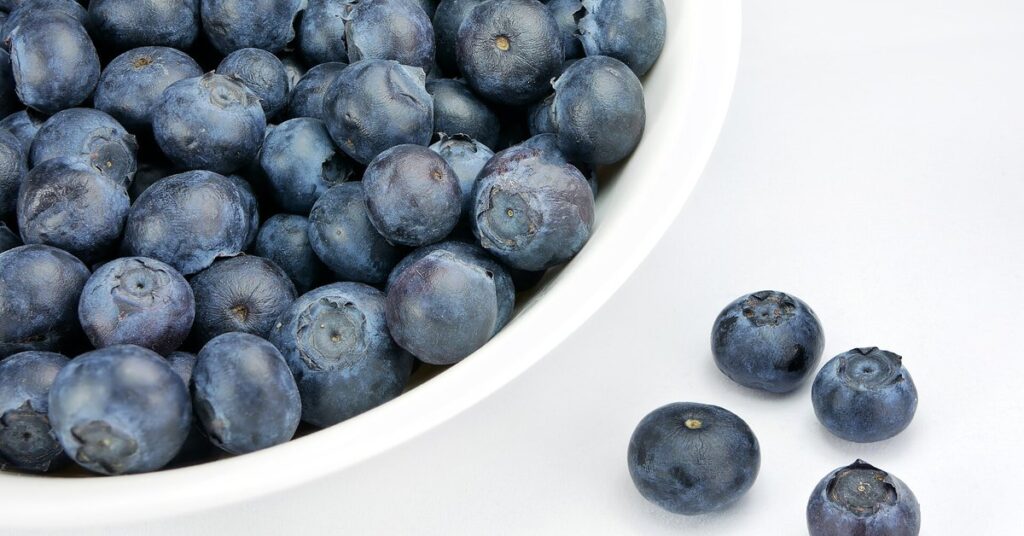
Can Dogs Eat Blueberries? The Quick Answer
Yes, dogs can eat blueberries when the berries are plain, washed, and served in small amounts. Fresh or frozen berries both work. Keep blueberries as an occasional treat within the 10 percent treat rule, and cut or mash them for very small dogs, since whole berries can pose a choking risk.
Can dogs eat blueberries? Blueberries are small, low in calories, and easy to carry in a pocket on a walk, which is why they show up so often as a training treat. The American Kennel Club (AKC) confirms they are safe for dogs in moderation, providing fiber, vitamin C, phytochemicals, and antioxidants. They are a smart swap for salty or fatty processed treats, as long as the portion stays small.
The Verdict: A Genuinely Dog Friendly Berry
Blueberries stand out because they are practical, not magical. They are low in calories, simple to portion, and usually well tolerated when introduced gradually, according to the AKC and PetMD. Antioxidants in blueberries may help support healthy aging and cognitive function in dogs, the AKC notes, but fruit is a supplement to a balanced diet, never a replacement for it. When owners ask can dogs eat blueberries every day, the AKC answer is that small amounts can be offered regularly, but blueberries should remain an occasional treat, not a major part of the diet.
Serve blueberries plain only. Fresh berries washed well, or frozen berries in a size your dog can handle, are the safe forms. Skip canned berries in syrup, baked goods made with berries, and any product with added sugar or xylitol, a sweetener that is toxic to dogs.
How to Prepare Blueberries Safely
Step 1: Wash the berries
Rinse fresh blueberries thoroughly to remove surface residue and pesticides. Discard any soft, moldy, or damaged berries before serving.
Step 2: Size them for your dog
Most dogs can handle whole berries, but cut or lightly mash them for very small dogs, puppies, and dogs that gulp food. A mashed berry still delivers the same treat with less choking risk.
Step 3: Start with one or two berries
Offer a tiny first taste and wait a day to check for stomach upset or any allergic reaction. If all is well, move up to the portion guide below.
Step 4: Use them as a treat, not a topping pile
Scatter a few berries as a reward or mix a small number into kibble. A whole bowlful is far too much, even for a large dog.
Use blueberries as a low calorie training reward: one berry per correct behavior beats a large biscuit every time, and your dog will work just as hard for it. Keep a small tub in the fridge so you are not tempted to reach for bigger treats.
Blueberry Portion Guidance
All treats, blueberries included, should stay within about 10 percent of your dog’s daily calories. The AKC gives this general guide: small dogs may need only 2 to 3 blueberries, while larger dogs can typically have several more. These are general guidelines only, so ask your vet if your dog has a health condition or if you are unsure about the right amount. As a practical rule, can dogs eat blueberries in a handful at a time? For a large dog, a small handful as an occasional treat fits the guide, but a small dog should stick to just a few berries.
| Dog size | General daily guide |
|---|---|
| Very small dogs | 2 to 3 berries |
| Small to medium dogs | A few berries |
| Large dogs | Several more, still a small handful at most |
Introduce blueberries gradually. A sudden large amount, even of a healthy berry, can loosen stool, so build up slowly from one or two berries.
Risks, Allergies, and Choking
The main risks are choking and overfeeding. The AKC warns that the size and shape of blueberries can pose a choking risk, particularly for very small dogs, so size the berries to the dog and supervise treat time. Too many berries can cause stomach upset or diarrhea, and over time, excess treats of any kind can unbalance the diet.
Blueberry allergy is uncommon, but possible. Watch for itchy skin, especially on paws or ears, face swelling, hives, vomiting, or diarrhea after a first taste. Stop feeding blueberries and call your vet if any of those signs appear. Also, never let your dog eat wild berries on a walk: many wild berries look similar to blueberries and some are toxic, so only serve berries you bought and identified yourself.
Puppies, Seniors, and Dogs With Health Conditions
Puppies can eat blueberries in moderation, the AKC confirms, provided they are introduced gradually and sized to prevent choking. Mashed berries suit a young puppy best. Seniors often do well with blueberries too, and frozen berries can be a cooling enrichment treat, as long as the pieces are small enough to chew safely. Dogs with diabetes should get vet guidance first, since berries contain natural sugar, and dogs with chronic conditions should check any new food with their vet before it becomes routine.
If Your Dog Eats Too Many Blueberries
If your dog raids a whole punnet, expect possible soft stool or stomach upset and skip berries for several days. Watch for repeated vomiting, severe diarrhea, blood in vomit or stool, weakness, or collapse, and seek vet care promptly if any appear. If your dog chokes on a berry, with coughing, gagging, or trouble breathing, treat that as an emergency and call your vet or an emergency clinic at once. For the wider safe food list, see what human foods dogs can eat, and for another safe fruit, see can dogs eat apples.
When Blueberry Trouble Needs a Vet
Choking, trouble breathing, face swelling, repeated vomiting, severe diarrhea, or collapse after eating berries is urgent. Find an open vet near you on DaisyDu’s Live Vet Map
Simple Blueberry Serving Ideas
Fresh berries as a training reward, frozen berries on a hot day, or a few mashed berries mixed into kibble are all safe options. Keep the serving plain and small, and rotate berries with other safe fruits such as can dogs eat bananas so no single treat dominates your dog’s diet.
Are frozen blueberries as safe as fresh ones?
Yes, frozen blueberries are generally safe and often enjoyed as a refreshing treat, according to the AKC. Make sure frozen berries are sized for your dog, since a hard frozen berry is tougher to chew. Thawing them slightly or mashing them works well for small dogs, puppies, and seniors with worn teeth.
Can puppies eat blueberries, or should I wait until adulthood?
Puppies can eat blueberries in moderation once they are eating solid food, with a gradual introduction and careful sizing to prevent choking. Start with one mashed berry and watch for stomach upset. Puppies should receive a smaller portion than an adult dog of the same breed size.
What is the difference between cultivated and wild blueberries for dogs?
Cultivated blueberries from a shop are the safe choice, because you know exactly what they are. Wild berries picked on a walk are risky, since several toxic berries resemble blueberries and misidentification is easy. Never let your dog forage berries unsupervised, and never serve berries you cannot positively identify.
Do blueberries help an older dog’s brain health?
Blueberry antioxidants may help support healthy aging and cognitive function, according to the AKC, but they are not a treatment for cognitive decline. Think of berries as one small part of a healthy routine that also includes vet checkups, mental enrichment, exercise suited to your dog’s age, and a balanced diet.
Need Local Pet Support or an Open Vet Near You?
Use DaisyDu's free neighborhood tools to find 24/7 open emergency animal hospitals, arrange local playdates, or broadcast a lost pet SOS alert.