Why is my dog shaking?
Most shaking comes from cold, fear, anxiety, or excitement, and it stops when the trigger passes. See a vet promptly if the shaking is continuous, your dog also collapses, pants heavily, has pale gums, or may have eaten something toxic. Rhythmic full-body convulsions with loss of awareness are seizures, not shaking.
Why is my dog shaking? You notice it first in the quiet moments: a fine tremor running through your dog’s shoulders on an ordinary evening, with no obvious reason. That tremor usually has a simple explanation, but occasionally it signals something urgent. Here is how to read what your dog’s body is telling you.
Cold: The Simplest Explanation
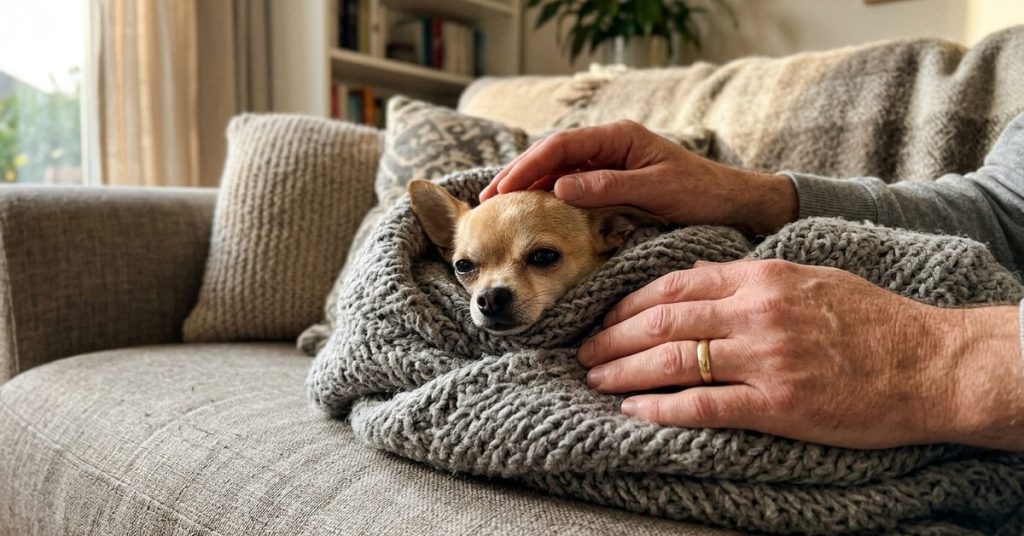
Dogs shiver to generate warmth, just like we do. Small breeds, thin-coated breeds, puppies, and seniors lose heat fastest, so a chilly house or a cold walk is often the entire story. If the shaking stops within minutes of warming up (under a blanket, in a warm room, in a sweater), you have your answer. Persistent shivering despite warmth points elsewhere.
Fear, Anxiety, and Stress
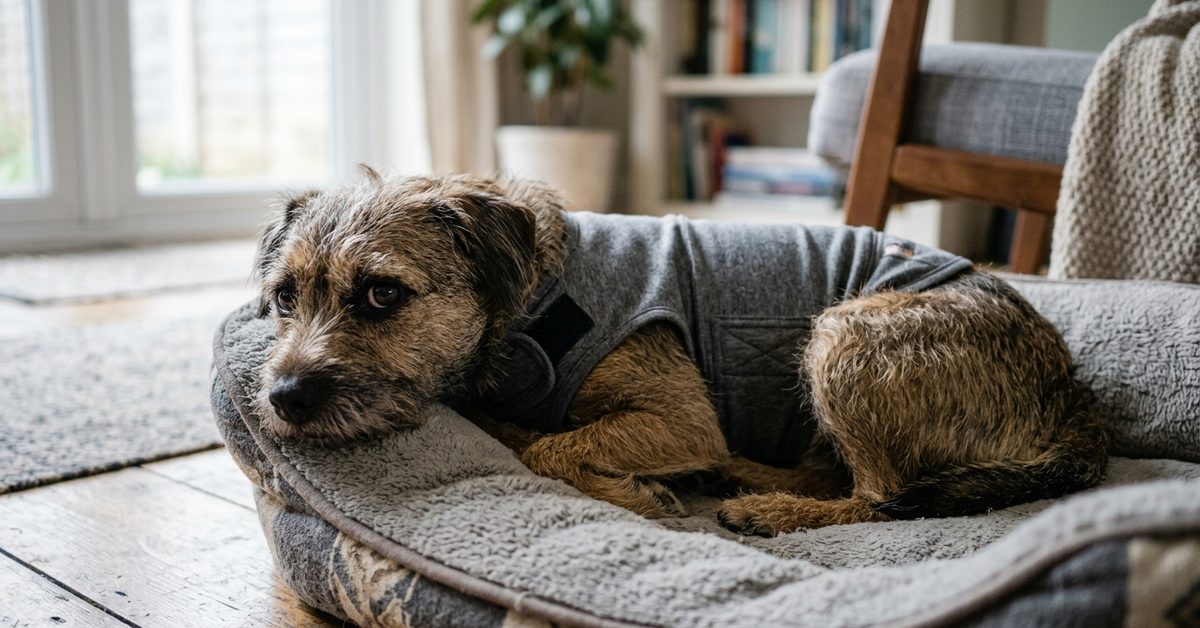
Thunderstorms, fireworks, vet visits, new environments, and separation all trigger trembling in anxious dogs. The shaking typically comes with tucked tail, flattened ears, panting, or hiding. Calm reassurance helps, but avoid frantic comforting, which can confirm that there is something to fear. A snug anxiety vest, background white noise, and a safe den-like spot work better for most dogs.
Excitement and Anticipation
Some dogs shake the way people bounce their leg: pure arousal. The leash comes out, a favorite person arrives, dinner is being served, and the whole body vibrates. Excitement trembling is brief, the dog is otherwise happy and engaged, and it vanishes once the event begins. No treatment needed beyond enjoying your enthusiastic dog.
The Full-Body Shake-Off
Sometimes the shaking is over in one dramatic wiggle. Dogs do a full-body shake to fling off water, but they do the exact same shake after something stressful: a vet exam, a bath, a tense standoff with another dog. It is how they reset and let the tension out. If your dog gives one big shake and then carries on like nothing happened, that was the whole point. It is one of the most harmless answers to why is my dog shaking, so let it happen.
Pain or Nausea
Generalized trembling paired with panting, restlessness, reluctance to move, or a hunched posture can mean pain. When there’s no visible trigger for your dog’s shaking, pain moves to the top of the list. Nausea causes a similar shaky, drooling picture. Unlike fear shaking, pain trembling does not switch off when the scary thing leaves. If your dog’s behavior has changed and you cannot find a trigger, read how to tell if a dog is suffering and call your vet.
Toxin Exposure
Sudden unexplained tremors, especially with drooling, vomiting, or wobbliness, can follow ingestion of something toxic: chocolate, xylitol, certain human medications, or garden chemicals. Think back over the last few hours. If your dog’s shaking brought you here after a walk or a raided trash can, check whether anything is missing from the counter or trash, and call your vet or poison control immediately rather than waiting to see how it develops.
Shaking in Their Sleep
Twitching paws, paddling legs, the occasional soft whimper mid-nap: that is dreaming, not shaking. Like us, dogs cycle through REM sleep, and the twitches are their muscles responding to whatever is happening in the dream. The American Kennel Club notes it is most noticeable in puppies and seniors, and their chief veterinary officer draws the line clearly: dreaming movements are brief and intermittent, while a seizing dog goes rigid with more violent movement and cannot be woken easily. Let a dreaming dog sleep. Waking one abruptly can startle them into a snap.
Shaking vs. Seizure: How to Tell
This distinction matters. Ordinary shaking leaves your dog aware and responsive: they look at you, they can walk, they can be distracted with a treat. A seizure involves rhythmic jerking, stiffness, loss of awareness, and often drooling or paddling legs, and the dog cannot respond to you during it. If you are seeing the second picture, read what to do if your dog is having a seizure right now.
Get to a Vet Now If
The shaking will not stop, your dog collapses or cannot stand, gums look pale or white, breathing is labored, or you suspect poisoning or a seizure. Find an open emergency vet near you on DaisyDu’s Live Vet Map →
Film a 30-second video of the shaking before you call the vet. “Trembling” covers a dozen different movements, and video lets your vet distinguish anxiety shivers from neurological signs instantly.
Why is my dog shaking and panting at the same time?
The combination usually points to stress, pain, or overheating rather than cold. Context is everything: shaking plus panting during a thunderstorm means fear, while the same pair on a hot walk means heat. If both appear out of nowhere with no trigger, especially with restlessness or drooling, call your vet.
Do small dogs shake more than big dogs?
Yes, noticeably. Small breeds chill faster because of their high surface-area-to-volume ratio, and many were bred as companions, so they are more emotionally reactive to household stress. A Chihuahua trembling on a cool evening is usually just cold. The same rules still apply though: continuous or unexplained shaking always deserves a vet call.
Why is my old dog suddenly shaking?
New trembling in a senior dog deserves attention. Arthritis pain, muscle weakness, and canine cognitive dysfunction all cause shaking in older dogs, and some are very treatable once diagnosed. Do not write it off as “just old age.” A vet visit can distinguish a manageable condition from normal aging.
Can dehydration cause shaking in dogs?
Severe dehydration causes weakness and wobbliness that can look like trembling, usually alongside dry gums, sunken eyes, and lethargy. Mild dehydration rarely causes shaking on its own. Offer fresh water and watch closely; if your dog will not drink or the weakness persists, see your vet the same day.
Need Local Pet Support or an Open Vet Near You?
Use DaisyDu's free neighborhood tools to find 24/7 open emergency animal hospitals, arrange local playdates, or broadcast a lost pet SOS alert.