Can Dogs Eat Oranges
Yes, dogs can eat small amounts of peeled, seedless orange flesh as an occasional treat. PetMD states that the flesh is safe once peel, pith, and seeds are removed, while the American Kennel Club advises tossing the peel and offering only the flesh. Oranges are sugary and acidic, so skip them for dogs with diabetes, weight problems, or sensitive stomachs.
Can dogs eat oranges straight from the fruit bowl? Yes, but only the peeled, seedless flesh, because the peel is the part that causes trouble. That split is the whole story of this fruit: what is inside the orange is a fine occasional treat, and what wraps it is hard to digest, oily, and likely to upset your dog’s stomach. PetMD and the American Kennel Club agree on that line, and this guide follows it.
Below you will find how to prepare an orange, why the peel and pith matter, how much is sensible, and which dogs should skip oranges entirely. For the full safe and caution lists, see our pillar on what human foods dogs can eat.
The Verdict on Orange Flesh
PetMD states that dogs can eat oranges in moderation, and that the fleshy part is safe when prepared correctly. The American Kennel Club says the same in its fruit guide: oranges are fine for dogs to eat, the flesh offers vitamin C, potassium, and fiber, and vets recommend tossing the peel and offering only the flesh minus any seeds.
Can dogs eat oranges every day? No, they are an occasional treat. That does not make oranges a daily food. Oranges are high in natural sugar and acid for a dog, so they belong in the treat category. A segment or two on occasion is the pattern both sources describe, not a whole orange and not a daily habit.
Orange Peels, Pith, and Seeds: What to Remove
Remove the peel, the white pith, and every seed before offering an orange. PetMD lists all three as parts to remove first, because they are harder to digest and can cause stomach upset. The American Kennel Club adds that orange peel is rough on a dog’s digestive system and that the oils in it may put a dog off entirely.
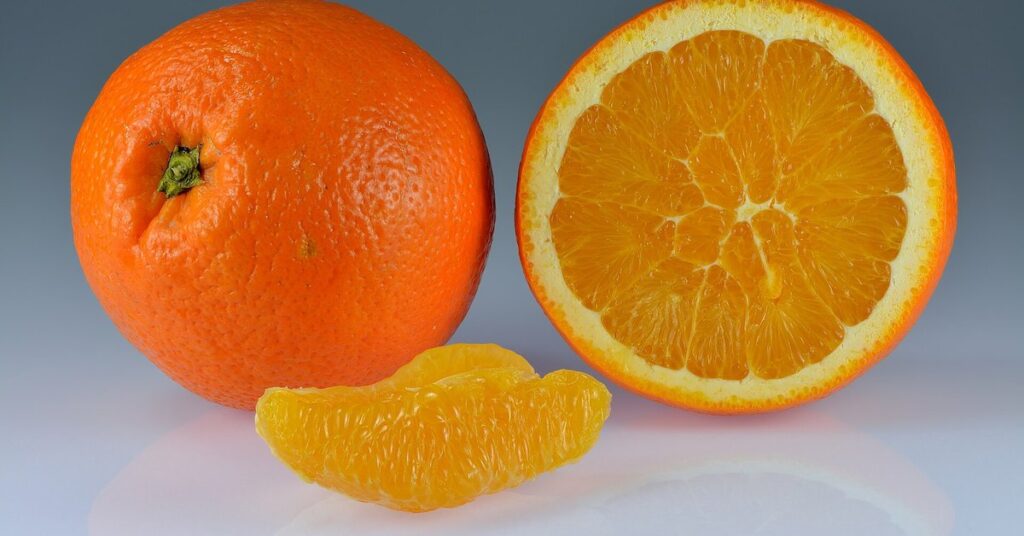
The pith, the white spongy layer between peel and flesh, is easy to miss when you are peeling quickly. It is bitter, fibrous, and part of the same problem as the peel, so take the time to pull it away from each segment. Seeds are a choking risk for small dogs and add nothing, so pick them out even from a supposedly seedless orange, since stray seeds do turn up.
Step 1: Peel fully and remove the pith
Peel the orange completely, then pull the white pith off each segment. If a segment still carries a thick white layer, peel it again rather than serving it as is.
Step 2: Take out every seed
Split each segment open and remove any seeds you find. This step matters most for small dogs and for dogs that gulp food without chewing.
Step 3: Offer one small piece first
Offer a single small piece and watch for the next day. Many dogs dislike citrus smell and taste and will refuse it, which is fine. Never force a dog to eat citrus it has turned away from.
On a hot day, freeze small pieces of peeled orange flesh for a cool treat. Freezing does not change the sugar content, so keep the amount just as small as you would fresh, and skip this idea for dogs that should avoid oranges for health reasons.
How Much Orange Can a Dog Have?
Keep oranges inside the general treat rule: treats of all kinds should stay within about 10 percent of your dog’s daily calories, with the rest coming from a complete and balanced dog food. For oranges, that works out to a small number of segments as an occasional treat, scaled down for a small dog and offered rarely rather than daily.
Can dogs eat oranges in winter as well as summer? Yes, the season makes no difference to the rule. Start with one small piece on the first try and watch for gas, loose stool, or vomiting over the next day. If your dog tolerates it, you can offer a small amount again later, but there is no reason to make oranges routine. A dog that never eats an orange is missing nothing important, since balanced dog food already covers its nutrition.
Orange Juice and Processed Citrus Products
Orange juice is not a dog treat. It concentrates the sugar and acid of several oranges into one drink, with none of the fiber that slows a whole segment down. PetMD advises choosing plain fresh orange slices rather than processed citrus products, which often contain added sugar or artificial ingredients.
The same caution covers orange flavored drinks, marmalade, and candied peel. Marmalade adds a large amount of sugar, and candied peel is peel plus sugar, the two parts this guide tells you to avoid. If it comes in a bottle, jar, or packet, it is not the plain flesh this verdict covers.
Which Dogs Should Skip Oranges?
PetMD states that dogs with diabetes, weight issues, or sensitive stomachs should avoid oranges, because of their sugar and acidity. That is a clear skip list, not a judgement call: if your dog is on a weight plan or has diabetes, do not offer oranges, even as a rare treat, unless your vet specifically says otherwise.
Dogs on a prescription diet should also skip foods outside that diet unless their vet approves, a caution PetMD repeats across its people-food guides. Puppies can have a tiny taste once they are eating solid food, but there is no benefit in starting citrus early, and a puppy with a sensitive stomach should wait. Senior dogs with dental problems may also struggle with acidic fruit, so watch for mouth discomfort as well as stomach signs.
What to Do If Your Dog Eats Peel or Too Much Orange
If your dog eats orange peel, pith, or a large amount of flesh, watch for vomiting, diarrhea, lethargy, or signs of belly pain. Most cases are stomach upset that passes, but contact your veterinarian if vomiting persists, diarrhea lasts more than a day, your dog becomes lethargic, or you see signs of abdominal pain. Those are the warning signs PetMD-linked vet guidance lists for citrus overeating in general.
Do not induce vomiting at home and do not offer a home remedy unless your vet tells you to. If your dog swallowed a large piece of peel whole, tell your vet, since a blockage is a different concern from simple stomach upset, especially in a small dog. When in doubt, call sooner rather than later.
Oranges Among Other Dog Safe Fruits
Oranges sit in the middle of the fruit list: safe in small peeled amounts, but less useful than lower sugar fruits because of their acid and sugar. If your dog turns its nose up at citrus, that is normal, and the American Kennel Club notes that many dogs dislike strong citrus smells and tastes. Try a lower sugar fruit instead, such as cucumbers for a crunchy low calorie option, or pineapple in small fresh pieces, prepared the same plain way.
Can dogs eat mandarin oranges and clementines?
Yes, PetMD includes tangerines, clementines, and mandarins in the same guidance as oranges: the flesh is safe in moderation once peeled and seeded. The same limits apply, since these fruits are just as sugary and acidic. Peel fully, remove the pith and seeds, and keep the amount small and occasional, exactly as with a full sized orange.
Can dogs eat orange peel if it is dried or candied?
No, drying or candying peel does not make it safe. Dried peel is still hard to digest and still carries citrus oils, and candied peel adds much sugar on top. Both forms keep the problems of fresh peel. If peel reaches your dog’s bowl, take it away and offer plain flesh instead.
Why do some dogs refuse oranges?
Citrus smell and taste are strong, and the American Kennel Club notes that many dogs are turned off by them. A refusal is useful information, not stubbornness, and may reflect a sensitive nose or stomach. Do not hide orange in food to get past a refusal. Offer a different treat instead.
Can orange segments help a dog that is constipated?
Oranges contain fiber, but they are not a constipation treatment, and the sugar and acid can make stomach upset worse in a dog that is already uncomfortable. A constipated dog needs a vet check if the problem persists, especially with straining, lethargy, or loss of appetite. Do not use fruit, juice, or home remedies as a substitute for that check.
Need Local Pet Support or an Open Vet Near You?
Use DaisyDu's free neighborhood tools to find 24/7 open emergency animal hospitals, arrange local playdates, or broadcast a lost pet SOS alert.