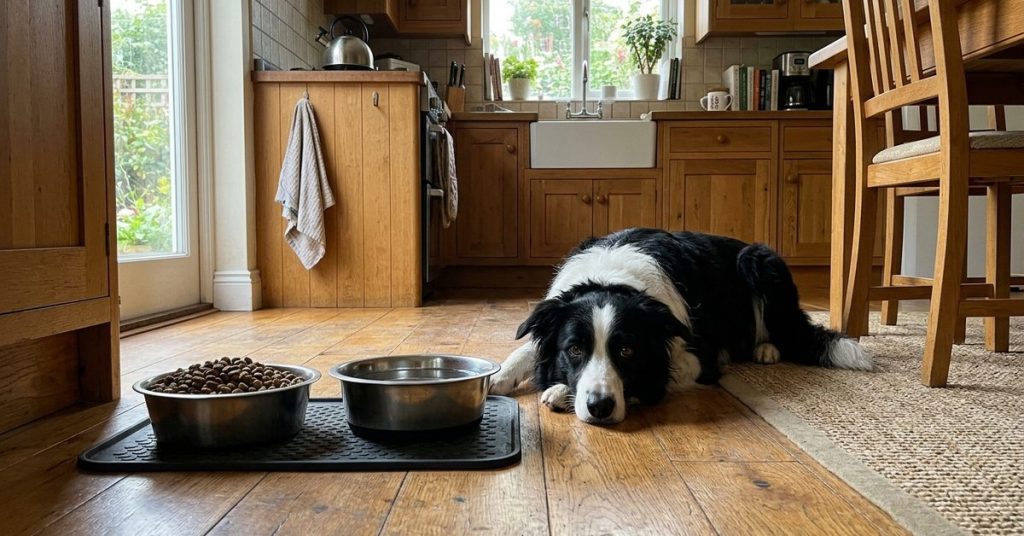
How long can a dog go without eating?
A healthy adult dog that skips a meal or two is usually fine and often eats again within a day. But puppies, small breeds, and any dog showing illness alongside the appetite loss should see a vet much sooner, sometimes the same day. Watch for lethargy, vomiting, or diarrhea paired with not eating.
When the bowl stays full, how long can a dog go without eating before you should worry? It is the question every owner asks at some point, and the honest answer is: it depends on the dog. A healthy adult skipping dinner is rarely an emergency. A puppy skipping two meals can be. Here is how vets think about it, and what to do at each stage.
Why Dogs Skip Meals
Appetite loss is a symptom, not a diagnosis. Common causes include stress (a move, a new pet, loud construction next door), mild stomach upset, pickiness after too many table scraps, dental pain, or simply a hot day. VCA Animal Hospitals notes that a decreased appetite is one of the most common early signs owners notice when something is off, which is why context matters more than the skipped meal itself. Ask: is my dog otherwise acting normal?
Healthy Adults: When Missing Meals Is OK
For a healthy adult dog, missing one or two meals is generally not dangerous. It is one of the most common questions vets hear, and for healthy adults the answer is reassuring: many dogs self-regulate and skip a meal after overeating the day before, and some simply go through picky phases. The standard veterinary guidance on how long a dog can go without eating is to monitor: offer food again at the next mealtime, keep fresh water available, and watch behavior. If your dog is bright, playful, and drinking normally, waiting 24 hours before calling the vet is reasonable for an otherwise healthy adult.
Puppies and Small Dogs: Act Faster
The rules change for the vulnerable. Puppies under six months, toy breeds, and diabetic dogs can develop dangerously low blood sugar after surprisingly short fasts, so two missed meals are already a call-your-vet situation. For these dogs, how long can a dog go without eating is measured in hours, not days. Senior dogs get less slack too: an older dog that stops eating may be hiding pain or illness, since appetite loss is often the first visible sign. When in doubt with these groups, call early rather than waiting it out.
Water Matters More Than Food
Here is the part owners get backwards. When you wonder how long a dog can go without eating, watch the water bowl first, not the food bowl: a dog refusing food is worrying, but a dog refusing water is urgent. Dogs handle short fasts far better than dehydration. CareCredit’s vet-written emergency guide lists refusal to drink water for 24+ hours as a go-to-the-vet-now sign. If your dog skips dinner but drinks normally, you have time to watch and wait. If the water bowl stays full too, skip the waiting and call your vet today.
How to Encourage a Dog to Eat
If your vet has cleared your dog or you are in the watchful-waiting window, try making food more appealing before you worry. Warm the food slightly to release aroma, add a spoonful of low-sodium broth or warm water, and hand-feed a few bites to restart interest. Some dogs eat better after a short walk, which settles the stomach and builds an appetite. Stick to their regular food rather than switching brands mid-crisis, since sudden diet changes can upset the stomach further.
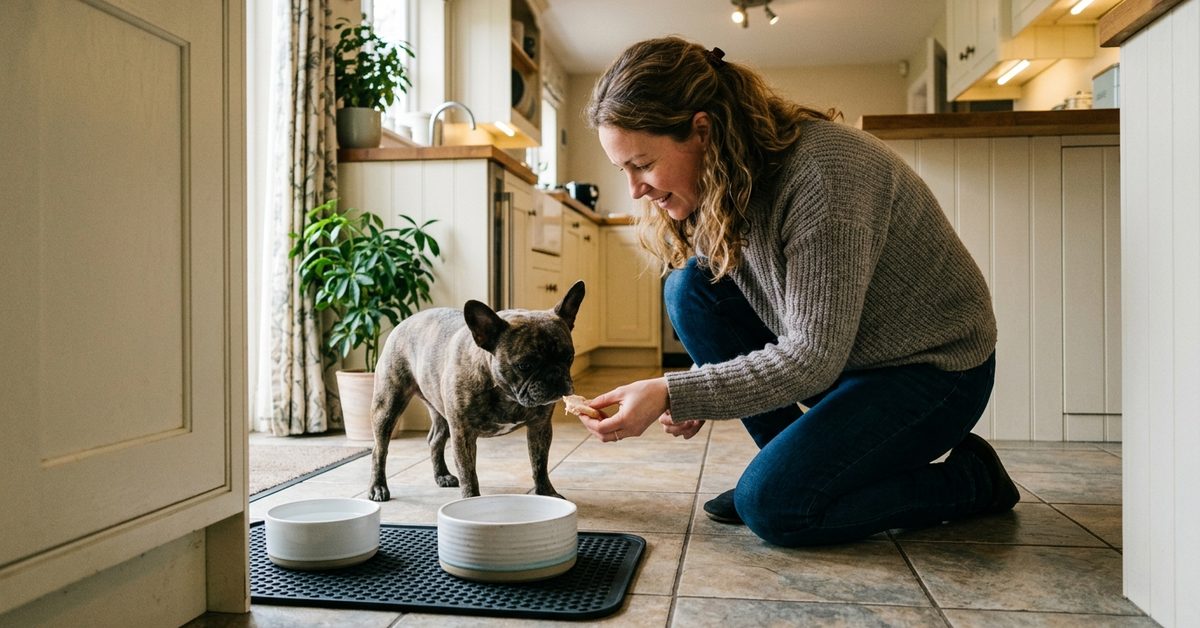
Take the bowl up after 20 minutes if uneaten and offer fresh food at the next mealtime. Leaving food out all day (grazing) makes it harder to notice exactly when appetite dropped.
Red Flags: Call the Vet Now
Not eating PLUS any of these means same-day veterinary care: vomiting or diarrhea alongside the appetite loss, lethargy or hiding, drooling or pawing at the mouth (possible dental emergency), a bloated or painful belly, or any puppy or toy breed refusing two meals in a row. Find an open vet near you on DaisyDu’s Live Vet Map →
What the Vet Will Check
When appetite loss brings you in, expect questions about how long food has been refused, water intake, vomiting or stool changes, and any recent diet or routine changes. Note exactly when the last full meal was eaten before you call: when owners wonder how long a dog can go without eating, that timeline is the single most useful fact for the vet. The exam usually covers the mouth (dental pain is a top cause of sudden food refusal), the belly, and temperature. If vomiting is part of the picture, that changes the urgency, and knowing the signs a dog is suffering helps you describe what you are seeing accurately.
My dog won’t eat but is drinking water. Is that OK?
Drinking normally is a reassuring sign. A dog that skips meals but stays hydrated, alert, and playful is usually dealing with something minor like stress or a mild stomach upset. Keep offering food at regular mealtimes and watch for 24 hours. If water intake drops too, or lethargy sets in, call your vet.
Can stress really stop a dog from eating?
Yes, and it is one of the most common causes. Moves, new household members, boarding stays, fireworks, and even rearranged furniture can put a sensitive dog off food for a day or two. Stress-related appetite loss usually resolves as the dog settles. If it persists beyond a couple of days despite a calm environment, look for a medical cause.
Should I leave food out all day or take the bowl away?
Take it away. Scheduled mealtimes (food down for 15 to 20 minutes, then removed) teach you your dog’s normal appetite, so you notice problems a day earlier. Free-feeding masks gradual appetite loss and lets kibble go stale, which picky dogs reject. The exception is nursing mothers and some tiny puppies, who genuinely need food available.
My senior dog is eating less. Is that just aging?
Some appetite decline is normal with age, as metabolism and activity slow down. But a sudden drop, or eating less alongside weight loss, bad breath, or difficulty chewing, points to dental disease, organ issues, or pain rather than age alone. Senior dogs deserve a vet check for any meaningful appetite change, not a wait-and-see approach.
Need Local Pet Support or an Open Vet Near You?
Use DaisyDu's free neighborhood tools to find 24/7 open emergency animal hospitals, arrange local playdates, or broadcast a lost pet SOS alert.