Can Dogs Eat Apples? The Quick Answer
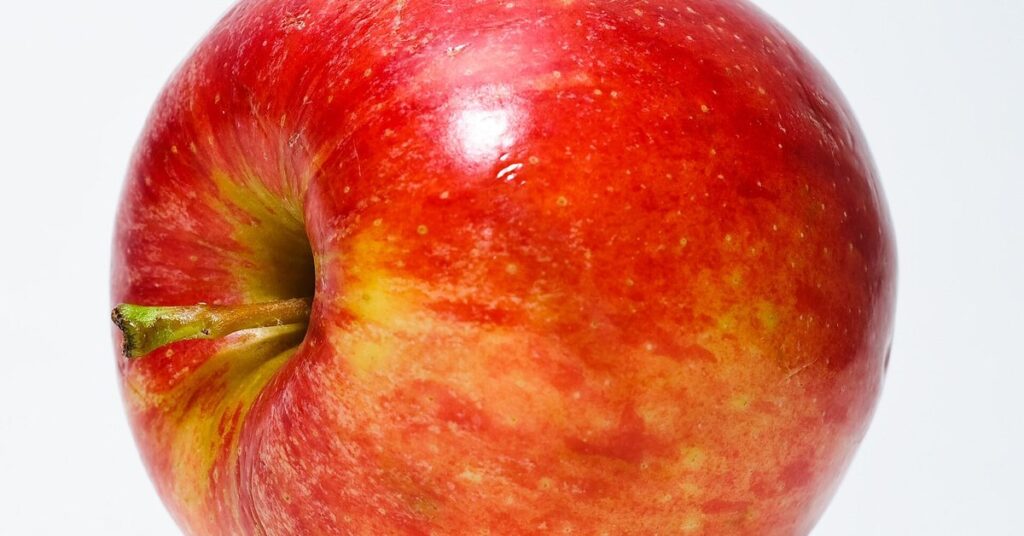
Yes, dogs can eat apples when the fruit is washed, cored, and cut into small pieces. The flesh is the safe part. The core, seeds, and stem should always be removed first. Keep apple treats small and within the 10 percent treat rule, and watch your dog the first time they try it.
Can dogs eat apples? Your dog staring at the apple in your hand, tail going, seems convinced it must be for them. In this case, they are mostly right. Veterinary sources give a reassuring answer, as long as you serve the right part in the right way. PetMD and the American Kennel Club (AKC) both list apple flesh as safe for dogs when it is prepared properly.
The Verdict: Apple Flesh Yes, Core No
So can dogs eat apples as a regular treat? Yes, apple flesh gives your dog fiber, vitamin C, and a satisfying crunch for very few calories, according to PetMD. That makes it a useful training reward or a light snack. The rest of the apple is a different story. Apple seeds contain a compound that can release cyanide when chewed in large amounts, and the core itself is a choking hazard, especially for small dogs. PetMD advises removing the core, seeds, and stem before serving, every single time.
The skin is safe once the apple is washed well, and it adds fiber. If your dog has a sensitive stomach, peel the apple first. Peel or no peel, the rule stays the same: flesh only, cut small, served plain.
How to Prepare Apples Safely
Step 1: Wash the apple
Rinse the apple thoroughly under running water to remove dirt and surface residue. This matters most if you plan to leave the skin on.
Step 2: Remove the core, seeds, and stem
Cut the apple away from the core and discard the core, all seeds, and the stem. Never hand your dog a whole apple or a leftover core to gnaw.
Step 3: Cut bite sized pieces
Slice the flesh into small wedges or cubes sized for your dog. PetMD suggests pieces about 1 inch wide and a quarter inch thick as a general guide. Smaller pieces are safer for small dogs and puppies.
Step 4: Serve plain and watch the first taste
Offer one small piece first and watch for stomach upset or any sign of an allergic reaction. If all is well, you can offer the rest of the portion.
Freeze a few small apple cubes on a hot day for a crunchy cool treat. Keep the cubes small even when frozen, since a hard frozen chunk is harder to chew and easier to gulp.
Apple Portion Guidance
All treats, apples included, should stay within about 10 percent of your dog’s daily calories, with the other 90 percent coming from a complete and balanced dog food. That is the AKC and PetMD treat rule, and it is the guardrail that keeps a healthy snack from becoming a stomach problem. PetMD gives this general guide for daily apple pieces, with each piece about 1 inch wide and a quarter inch thick. These are general guidelines only, not a prescription for your dog, so ask your vet if your dog has a health condition or weight concern.
| Dog size | General daily guide |
|---|---|
| Extra small, 2 to 10 pounds | 1 to 2 pieces |
| Small, 11 to 20 pounds | 2 to 3 pieces |
| Medium, 21 to 50 pounds | 3 to 4 pieces |
| Large, 51 to 90 pounds | 4 to 5 pieces |
| Extra large, 91 pounds and up | 5 to 6 pieces |
Start below the guide on the first day. A dog that has never had apple before should get one small piece, then a normal portion only once you know it agrees with them. That cautious start is the practical answer to can dogs eat apples every day: yes in small amounts, but only after a careful first taste.
Risks, Allergies, and Choking
Too much apple at once can cause loose stool, gas, or stomach discomfort, because of the fiber and natural sugar. That is the most common problem, and it usually follows a too generous first serving. True apple allergy is uncommon, but watch for itching, face swelling, vomiting, or diarrhea after the first taste, and stop feeding apple if any of those appear.
Choking is the other real risk, and it is why can dogs eat apples safely depends so much on preparation. Whole apples, cores, and large chunks can block a small dog’s airway or cause an obstruction if swallowed. Cut pieces small, supervise treat time, and never leave a dog alone with a whole apple.
Puppies, Seniors, and Dogs With Health Conditions
Puppies can have apple once they are eating solid food, but keep pieces tiny and peeled for easier chewing, and start with a single sliver. Seniors often do well with apple too, and soft cooked plain apple, with no sugar, butter, or spice, can suit an older dog with worn teeth. Dogs with diabetes or weight problems need extra care, since apple contains natural sugar, so ask your vet before making apple a regular treat. If your dog has a sensitive stomach, peeled apple in a small portion is the gentler choice.
If Your Dog Eats Too Much Apple or the Wrong Part
If your dog eats a few extra slices, watch for soft stool or stomach upset and skip apple the next day. A few swallowed seeds are unlikely to cause harm, but a swallowed core is more serious because of the blockage risk. If your dog swallows a core, eats a large amount of seeds, vomits repeatedly, strains without passing stool, or seems lethargic, call your vet promptly rather than trying a home remedy.
When Apple Trouble Needs a Vet
Repeated vomiting, no bowel movement, a painful or swollen belly, weakness, or trouble breathing after eating apple or a core is urgent. Find an open vet near you on DaisyDu’s Live Vet Map
Apple Forms to Skip
Fresh apple is the safest form. Skip sweetened applesauce, apple pie, apple cobbler, and dried apple chips with added sugar. Plain unsweetened applesauce in a small amount is acceptable, but check the label first: some products contain added sugar, spice, or xylitol, a sweetener that is toxic to dogs. When in doubt, stick with fresh slices. For a fuller picture of safe and unsafe human foods, see our guide to what human foods dogs can eat, and for another safe fruit option, read can dogs eat blueberries and can dogs eat bananas.
Can dogs eat apple skin, or should I always peel it?
Apple skin is safe after thorough washing and adds fiber, so peeling is optional for most dogs. Peel the apple if your dog has a sensitive stomach, since extra fiber can loosen stool. Peeled apple is also easier for puppies and seniors to chew, and it removes surface residue in one step.
Is applesauce a safe shortcut for fresh apple slices?
Plain unsweetened applesauce in a small amount is generally fine, but sweetened versions are not. Read the label for added sugar, cinnamon blends, nutmeg, and xylitol before serving. A spoonful mixed into kibble is plenty, and fresh slices remain the better everyday choice for most dogs.
What should I do if my dog steals an apple core?
Stay calm and watch your dog closely for vomiting, retching, straining, belly pain, or lethargy. Small dogs face the highest blockage risk, so call your vet sooner rather than later if your dog is small or shows any symptom. Do not try to make your dog vomit at home unless your vet tells you to.
Are green apples safer than red apples for dogs?
Color does not change the safety rules. Green, red, and yellow apples are all safe as flesh only, with the core, seeds, and stem removed. Green varieties tend to be tarter, and some dogs prefer sweeter red apples, but portion size and preparation matter far more than variety.
Need Local Pet Support or an Open Vet Near You?
Use DaisyDu's free neighborhood tools to find 24/7 open emergency animal hospitals, arrange local playdates, or broadcast a lost pet SOS alert.