Can Dogs Eat Bananas? The Quick Answer
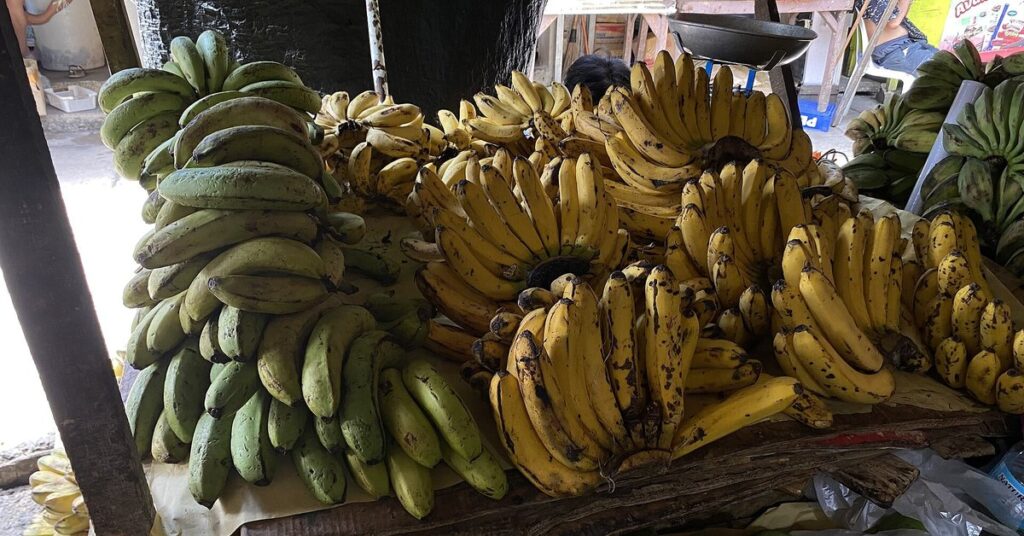
Yes, dogs can eat bananas when the fruit is peeled and cut into small slices. Banana flesh is safe in moderation, but the peel must stay out of the bowl. Keep banana treats within the 10 percent treat rule, start with a small amount, and watch for stomach upset after the first taste.
Can dogs eat bananas? If your dog has ever watched you peel one with total focus, you have probably asked exactly that. The answer from the American Kennel Club (AKC) and PetMD is yes, with two clear conditions: peel it first, and keep the portion small. Bananas are sweet, soft, and easy to portion, which makes them a handy occasional treat, not a daily staple.
The Verdict: Banana Flesh Yes, Peel No
Banana flesh is not toxic to dogs, and the AKC notes it offers potassium, vitamin B6, vitamin C, fiber, and magnesium. That nutrient mix is a bonus, not a reason to feed banana often. The same fruit is also high in natural sugar compared with many dog treats, so more banana is not better banana. When owners ask can dogs eat bananas regularly, the honest vet sourced answer is occasionally and in small slices, with most calories still coming from balanced dog food.
The peel is the part to avoid. Banana peels are not toxic, according to PetMD and the AKC, but they are tough, hard to digest, and can cause stomach upset or, in larger pieces, an intestinal blockage. Always peel the banana fully and throw the peel away where your dog cannot retrieve it.
How to Prepare Bananas Safely
Step 1: Peel the banana completely
Remove the whole peel, including the stringy bits at the ends. Do not offer a peeled banana still sitting in its skin for your dog to gnaw.
Step 2: Slice it thin
Cut the banana into thin slices about a quarter inch thick, or mash a small amount into kibble. Thin slices are easier to chew and harder to gulp whole.
Step 3: Start with one or two slices
Offer a small first taste and wait to see how your dog’s stomach handles it. If there is no loose stool or discomfort, you can move up to the portion guide below.
Step 4: Skip processed banana foods
Fresh banana is the safe choice. Banana chips, flavored yogurts, and banana bread often add sugar, salt, fat, or sweeteners, and some sweeteners such as xylitol are toxic to dogs. Check every label before sharing a processed product.
Freeze thin banana slices for a summer treat, but keep the pieces small and supervise. A frozen slice should still be thin enough to chew, not a hard chunk your dog tries to swallow whole.
Banana Portion Guidance
Like all treats, banana should stay within about 10 percent of your dog’s daily calories, with the other 90 percent from complete dog food. PetMD gives this general guide for daily banana slices about a quarter inch thick. These are general guidelines only, not a prescription, so ask your vet about the right amount for your dog, especially if your dog is small, a puppy, or overweight. In practical terms, can dogs eat bananas every day? PetMD frames these as daily maximums, but most dogs do better with banana a few times a week rather than daily, because of the sugar.
| Dog size | General daily guide |
|---|---|
| Extra small, 2 to 10 pounds | 1 to 2 slices |
| Small, 11 to 20 pounds | 2 to 3 slices |
| Medium, 21 to 50 pounds | 3 to 6 slices |
| Large, 51 to 90 pounds | A handful of slices |
| Extra large, 91 pounds and up | Up to half a banana |
A whole banana is generally too much for most dogs, PetMD notes, especially puppies and small breeds. If you are unsure, give less. Your dog will not miss the extra slices.
Risks, Allergies, and the Peel Problem
Too much banana can cause stomach upset, loose stool, or weight gain over time, because of the sugar and calories. Signs that your dog had too much include a loss of appetite, tiredness, drinking less water, gulping, or licking the lips, air, or nearby objects, according to PetMD. True banana allergy is uncommon, but stop feeding banana and call your vet if you see itching, swelling, vomiting, or diarrhea after a first taste.
The peel deserves its own warning. A dog that swallows a large piece of peel may vomit, lose appetite, develop belly pain, become weak or lethargic, or struggle with constipation or diarrhea. PetMD lists those as signs of a possible intestinal blockage, which needs emergency vet care, not a wait and see approach.
Puppies, Seniors, and Dogs With Health Conditions
Puppies can have a tiny amount of banana once they are eating solid food, but keep it to one thin slice and watch for stomach upset, since a whole banana is far too much for a small puppy. Seniors often enjoy soft banana, and mashed banana mixed into kibble can tempt a picky older dog. Dogs with diabetes, obesity, or pancreatitis need vet guidance first, because banana sugar can complicate those conditions. If your dog has kidney disease, ask your vet too, since banana is rich in potassium and mineral balance matters in kidney care.
If Your Dog Eats Too Much Banana or a Peel
If your dog eats a few extra slices, skip banana for several days and watch for soft stool or a reduced appetite. If your dog eats a peel, especially a large piece, watch closely and call your vet if vomiting, belly pain, lethargy, or constipation appears. Do not try to induce vomiting at home unless your vet instructs you to. For another safe fruit, see can dogs eat apples, and for the full safe and unsafe list, see what human foods dogs can eat.
When Banana Trouble Needs a Vet
Repeated vomiting, loss of appetite, belly pain, weakness, lethargy, or no bowel movement after eating banana peel is urgent and can signal a blockage. Find an open vet near you on DaisyDu’s Live Vet Map
Simple Banana Serving Ideas
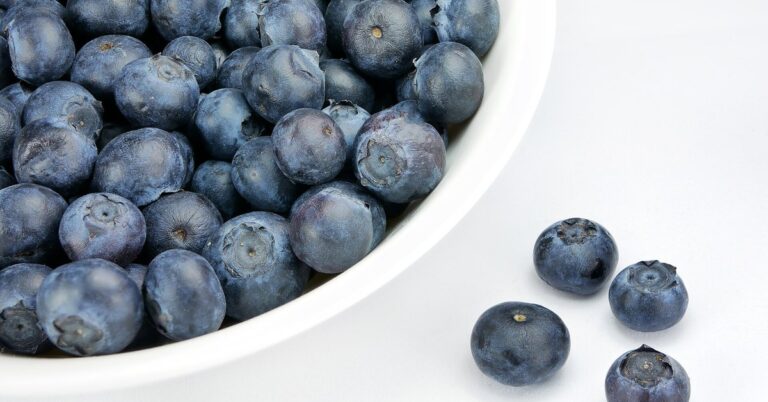
Mashed banana mixed into kibble, thin slices as a training reward, or a small amount spread inside a fillable toy and frozen are all safe ways to serve it, as long as any peanut butter used is verified xylitol free. Keep it plain, keep it small, and keep banana as one treat among many, alongside options such as can dogs eat blueberries, rather than the only snack your dog gets.
Can dogs eat banana peels if they are chopped very small?
No, chopping does not make peels safe. Small peel pieces are still tough and hard to digest, and they can irritate the stomach or contribute to a blockage if enough is eaten. Always remove the peel completely and dispose of it where your dog cannot reach it, even during treat preparation.
Are frozen banana slices safe in hot weather?
Yes, frozen banana slices are safe when they are thin and sized for your dog. Freeze quarter inch slices flat, then serve a few at a time under supervision. Thick frozen chunks are a choking risk, so slice thin before freezing rather than freezing a whole banana and handing it over.
Can a diabetic dog have banana as a treat?
Ask your vet first, because banana contains natural sugar that can affect blood sugar control. Some vets allow a very small occasional amount within a planned diet, while others prefer lower sugar treats instead. Never adjust insulin or diet around a new treat without veterinary guidance.
What banana products should I never share with my dog?
Skip banana chips with added sugar or fat, banana bread, banana pudding, and any flavored product you have not label checked. The danger is rarely the banana itself and usually the added ingredients, especially xylitol, which is toxic to dogs even in small amounts. Fresh peeled banana avoids all of that.
Need Local Pet Support or an Open Vet Near You?
Use DaisyDu's free neighborhood tools to find 24/7 open emergency animal hospitals, arrange local playdates, or broadcast a lost pet SOS alert.