How to Get Dog Pee Out of Carpet: The Quick Answer
For how to get dog pee out of carpet, blot up as much urine as you can, then saturate the spot with an enzyme cleaner made for pet urine and let it air dry. That sequence removes the stain and the residue underneath it. The same steps work for cat urine, with care for dried spots and rugs, explained below.
Learning how to get dog pee out of carpet usually starts with an unwelcome discovery: a damp patch, a yellow mark, or a faint smell you notice only when you walk past in socks. Speed matters more than scrubbing power. Urine that stays wet soaks past the fibers into the pad, and a stain that looks gone on top can still be sitting underneath.
This guide covers the stain itself, fresh or dried, for dogs and cats, on wall to wall carpet and on rugs. If the stain is gone but the smell is still there, that is a different job, covered in our guide to removing cat urine smell after the stain is out.
Fresh or Dried: First Find Out What You Are Dealing With
A fresh puddle and a dried stain need the same cleaner but a different first move. On a fresh spot, your job is to lift liquid out before it spreads. On a dried spot, your job is to find the full stain, rewet it, and give the cleaner time to reach as deep as the urine went.
For a dried or hidden stain, darken the room and sweep a UV flashlight slowly over the carpet. Dried urine glows under UV light, which shows you marks your eyes missed. Mark each glowing spot with painter’s tape so you treat the whole stain, not just the darkest part of it. This step matters most in corners, along baseboards, and under furniture, where cats in particular tend to choose hidden spots.
Test any cleaner first on a hidden patch of carpet, such as inside a closet or under a heavy piece of furniture. Leave it for the time the label suggests, blot it dry, and check for color change before you treat the visible stain. This is especially important on wool, light colors, and patterned carpet.
Dog Urine Stain Method, Step by Step
Use this method for a fresh dog accident first, then read the dried stain and cat sections for the changes those cases need. Work from the outside edge of the stain inward so you do not spread urine into clean carpet.
Step 1: Blot, do not scrub
Press clean towels or paper towels firmly into the wet spot, then lift and refold to a clean section. Keep going with fresh towels until almost no moisture transfers. Standing on the towel helps push it into the pile. Scrubbing only drives urine deeper and roughs up the fibers, which makes the stain harder to lift.
Step 2: Rinse lightly and blot again
Pour a small amount of cool water over the spot, just enough to dampen it, then blot it up again with fresh towels. This dilutes what is left in the fibers without flooding the pad. If you have a wet and dry vacuum or a carpet extractor, use it here to pull liquid out instead of blotting by hand. Do not use hot water or steam at this stage, since heat can set a protein stain into the fibers.
Step 3: Saturate with an enzyme cleaner
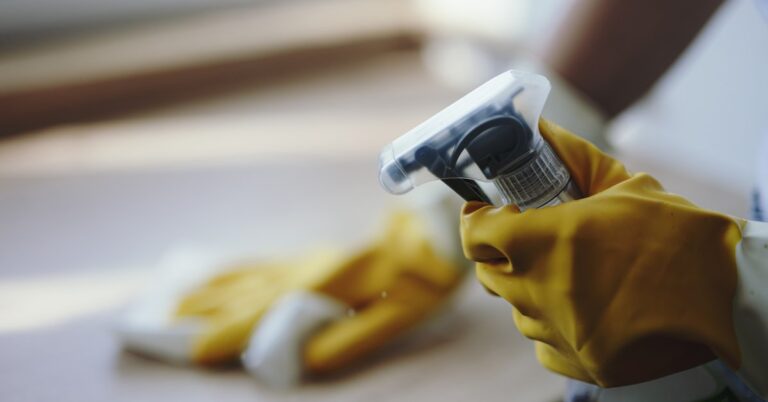
Apply an enzyme cleaner made for pet urine generously enough to reach as deep as the urine went, extending a few inches past the visible edges. A light mist on the surface will not reach urine that soaked into the pad. Follow the label for the product you bought, and keep pets off the spot while it works. For how these cleaners break urine down, see our explainer on enzyme cleaners for cat urine, which covers the same products used for dogs.
Step 4: Let it dwell, then air dry fully
Let the treated spot air dry completely, with a fan or an open window if you can. Enzyme cleaners work while the area stays damp, so rushing this step is the most common reason a stain seems to return. Do not rinse the enzyme cleaner out unless the label tells you to. Once the carpet is fully dry, check the spot in daylight and sniff close to the fibers. If color or smell remains, repeat the enzyme step once before you try anything stronger.
Dried Dog Urine Stains Need More Time, Not More Force
Guides on how to get dog pee out of carpet often skip the dried case, but a dried stain has already bonded with the fibers and the pad, so one quick pass will not lift it. Rewet the stain with cool water, blot up what you can, then saturate it with enzyme cleaner and cover it with a damp towel to keep it moist while the enzymes work. Leave it for as long as the label allows, even overnight for a heavy stain, then blot and air dry.
If the stain is still visible after two full enzyme rounds, a peroxide spotter can help on light, colorfast carpet: test it on a hidden patch first, since peroxide can lighten dyes. Use it only after the enzyme step is finished and the carpet is dry, and never mix cleaners together in the same pass. A stain that survives two enzyme rounds plus a careful peroxide test may have reached the pad or subfloor, which is the point where a professional cleaner, or pad replacement, is the honest next step. Our guide to old pet stains covers that end of the scale in full.
How to Get Cat Pee Out of Carpet
Cat urine needs the same method as dog urine, but it is harder to finish, for two reasons. First, cat urine is more concentrated and its smell is stronger, so a half treated spot is easier to notice. Second, cats often return to a spot that still smells like urine to them, even when you can no longer smell it yourself. That makes full saturation and full drying more important, not less.
Follow the four steps above, with these cat specific changes. Use a UV flashlight to map every spot before you start, since one visible stain often sits beside older ones you cannot see. Saturate past the visible edges, because a cat’s puddle spreads wider under the pile than it looks on top. Give the enzyme cleaner the longest dwell time the label allows, and judge the result only after the carpet is fully dry, not while it is still damp. If accidents keep happening in the same place, or start suddenly in a previously reliable cat, read the vet section below before you assume it is a training problem.
Cat urine on other surfaces needs a different routine. For washable items and beds, see our guide to cat urine on clothes and mattresses, and for seats and cushions, see pet urine on couches and furniture. The carpet method here should not be used to soak a couch, which cannot dry the same way.
Urine on Rugs: The Same Steps, With One Extra Choice
A rug follows the same blot, rinse, enzyme, and dry sequence as wall to wall carpet, with one advantage: you can move it. If the rug is small enough, take it outside or to a hard floor before you treat it, so dirty water cannot soak into the carpet underneath. Blot and treat the top, then flip it and check the underside and the floor beneath for dampness.
For a washable rug, remove the loose urine first with the steps above, then follow the maker’s wash directions. Do not put a rug with a fresh urine stain straight into the wash and hope for the best, since heat and agitation can set a stain that an enzyme treatment would have lifted. For wool, silk, or a hand knotted rug, skip home peroxide and strong cleaners entirely, blot gently, and take it to a rug cleaner who handles natural fibers. The cost of a professional clean is small next to the cost of a bleached or distorted rug.
What Not to Do With Urine Stains
Most urine stains that refuse to lift were not too stubborn. They were set by one of these mistakes, and most guides on how to get dog pee out of carpet warn about at least one of them.
| Mistake | Why it hurts | Do this instead |
|---|---|---|
| Scrubbing the stain | Pushes urine deeper and damages pile | Blot with firm, straight pressure |
| Steam or hot water first | Heat can set protein stains into fibers | Use cool water, and enzyme cleaner, before any heat |
| Ammonia based cleaners | Urine already contains ammonia, and the smell can draw a pet back to the spot | Use an enzyme cleaner made for pet urine |
| Vinegar right before enzymes | Acidity can reduce how well enzymes work | Pick one approach per pass, and finish the enzyme step first |
| A light surface spray | Misses urine that soaked into the pad | Saturate to the depth the urine reached |
| Judging while still damp | Damp carpet hides leftover color and smell | Judge only once the carpet is fully dry |
A note on vinegar and baking soda, since many older guides lead with them: they can help with a fresh, light stain and with surface smell, and the Carpet and Rug Institute’s general advice for carpet spots is to blot, test, and work gently rather than scrub. But neither breaks down the residue that makes a urine stain return, which is why this guide puts the enzyme cleaner first and treats vinegar and baking soda as a backup for fresh spots, not the main treatment for dried ones.
After the carpet is dry, walk the room again with the UV light. Any spot that still glows is a spot you undertreated, and treating it now takes minutes. Treating it after a pet has marked it again takes another full round.
Other Pet Messes on Carpet
Urine is only one carpet problem, and the method changes with the mess. For the full overview, start with our pillar guide on removing pet stains from carpet, which links every mess type in this cluster. For a remover shortlist once you know what you need, see carpet cleaners for pet stains, and remember this post covers stain removal only, never a product review.
When a Urine Accident Needs a Vet, Not Just a Cleaner
Cleaning the carpet does not fix the reason behind the accident. VCA Animal Hospitals notes that sudden changes in litter box or house training habits can signal a medical problem, and straining, blood in urine, frequent small trips, or crying while urinating need prompt veterinary care. If a previously reliable dog or cat starts having accidents, or any of those signs appear, book a vet visit before you buy another cleaner. Find an open vet near you on DaisyDu’s Live Vet Map →
Can I use hydrogen peroxide on a dog urine stain?
Yes, but only as a second step on light, colorfast carpet, and only after an enzyme treatment is finished and dry. Test it on a hidden patch first, since peroxide can lighten dyes and some carpet backings react badly. On dark carpet, wool, or silk rugs, skip it and repeat the enzyme step or call a professional instead.
How long should enzyme cleaner sit on a urine stain?
Follow the label on your product, since dwell times vary by formula and stain depth. A fresh spot needs at least the label’s minimum time, while a dried stain often needs several hours or overnight under a damp towel. Enzymes only work while the area stays moist, so a product that dries in twenty minutes has not finished.
Why does the stain come back after shampooing the carpet?
Shampooing rewets residue buried in the pad, which wicks back up as the carpet dries and brings color and smell with it. A spot can look clean when wet and reappear a day later. Treat the stain with an enzyme cleaner first, let it dry fully, and only then shampoo for general soil if you still need to.
Will my dog or cat pee in the same spot again after cleaning?
They may, if any urine smell remains at their nose level, even when you smell nothing. Pets can detect residue humans miss, and a familiar urine scent marks a spot as an approved toilet. Full enzyme saturation, full drying, and a UV recheck are the best guard against repeat marking, plus a vet check for new or frequent accidents.
Need Local Pet Support or an Open Vet Near You?
Use DaisyDu's free neighborhood tools to find 24/7 open emergency animal hospitals, arrange local playdates, or broadcast a lost pet SOS alert.