How to Get Cat Pee Out of Clothes
Blot fresh urine, rinse clothes in cool water, then wash separately with an enzyme laundry product and air dry, never using the dryer until the smell is gone. For a mattress, blot, treat with an enzyme cleaner, let it sit, blot again, and air dry. Heat locks odor in, so avoid dryers and steam cleaners until both surfaces smell clean.
Learning how to get cat pee out of clothes starts the moment you find the wet spot, because every minute the urine sits, the smell digs deeper into the fibers. A shirt tossed in a laundry basket or a favorite sweater left on the bed can seem ruined, but most washable clothes recover with the right order of steps. The trick is not a stronger detergent. It is cold water first, an enzyme product second, and no heat until the smell is truly gone.
This guide covers two jobs that look similar but need different methods: washing clothes and treating a mattress you cannot put in a machine. Clothes get a soak and a wash. A mattress gets careful spot treatment and a long, patient dry. For the smell science behind both, see our guide on how to remove cat urine smell, which explains why cat urine odor lingers. For urine on carpet instead, see dog and cat urine on carpet.
Why Speed and Cold Water Matter
Fresh urine lifts out far more easily than dried urine. Blot first, rinse with cool water, and keep the item away from other laundry so the smell does not spread to a whole load. PetMD notes that enzyme-based cleaners break down the acid in cat urine, which is why they outperform plain detergent on odor. The same PetMD guide warns against ammonia-based cleaners, quoting Dr. Bruce Kornreich of the Cornell Feline Health Center, who explains that cats smelling ammonia are more likely to pee in that spot again.
Heat is the other enemy. A hot wash, a hot dryer cycle, or a steam cleaner used too early can set the odor into fabric so it survives later washes. That is why cat urine smell on clothes seems to return after a warm wash, even when the stain itself looks gone. That rule shapes every step below: cool water while the stain is active, heat only after a sniff test says the item is clean.
Clothes Method: Wash It Right the First Time
Work through these steps in order, and do not skip the sniff test at the end. It is the step that saves clothes from a dryer cycle that would lock the smell in for good. If the stain is gone but the odor lingers, that is the point where people look up how to get cat pee smell out of clothes, and the answer is usually a second enzyme wash, not a stronger scent.
Step 1: Blot and rinse in cool water
Press clean paper towels or a white cloth onto the spot to lift as much urine as possible, and do not rub, since rubbing pushes urine deeper into the fibers. Rinse the area under cool running water, working from the back of the fabric when you can, so the rinse pushes urine out rather than through.
Step 2: Soak in a vinegar solution
Mix 1 cup of white vinegar with 3 cups of cool water in a basin or sink and soak the item for 30 minutes to an hour. Vinegar helps break down the odor compounds in dried urine and gives the wash that follows a cleaner starting point. Check the care label first, and skip this soak for items marked dry clean only.
Step 3: Wash separately on a cold cycle
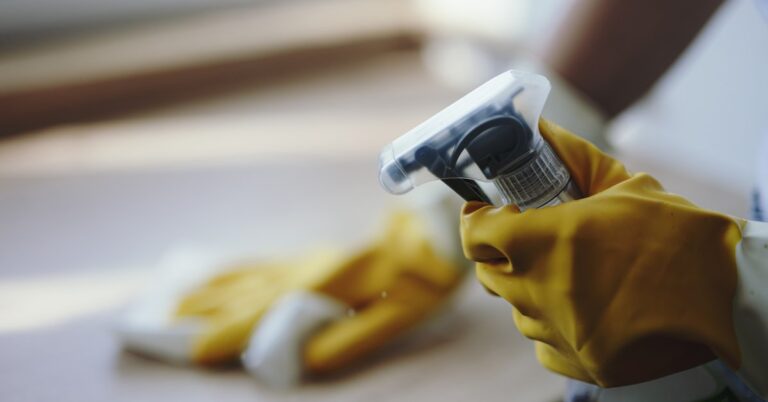
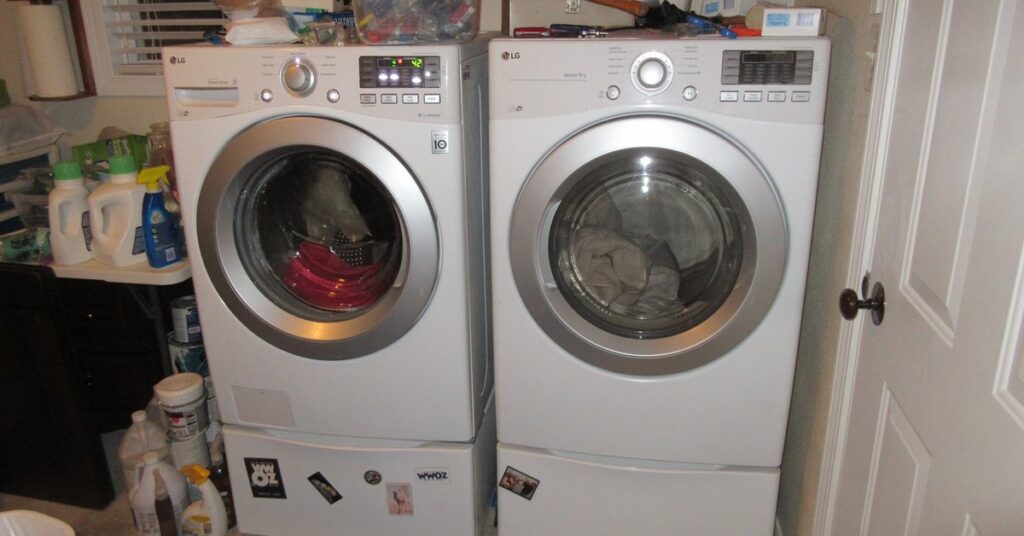
Wash the item on its own, on a cold cycle, with your regular detergent plus an enzyme laundry product made for pet urine. Washing it separately keeps the smell from transferring to other clothes, and the cold cycle protects you from setting the stain. Follow the enzyme product label for how much to use and where it goes in the machine.
Step 4: Sniff before you dry
When the cycle ends, smell the item while it is still damp, right at the spot where the urine was. If any urine smell remains, run the wash again with the enzyme product before the item sees any heat. PetMD gives the same advice: rewash with an enzyme cleaner and air dry, since dryer heat may lock the smell in before it is fully gone.
Step 5: Air dry, then sniff again
Hang the item to air dry, out of direct heat, and check it once more when it is fully dry. Warm air from a room fan is fine, but a tumble dryer is not, not until the item smells clean both damp and dry. Two washes and an air dry beat one hot wash every time.
Mattress Method: Treat the Spot You Cannot Wash
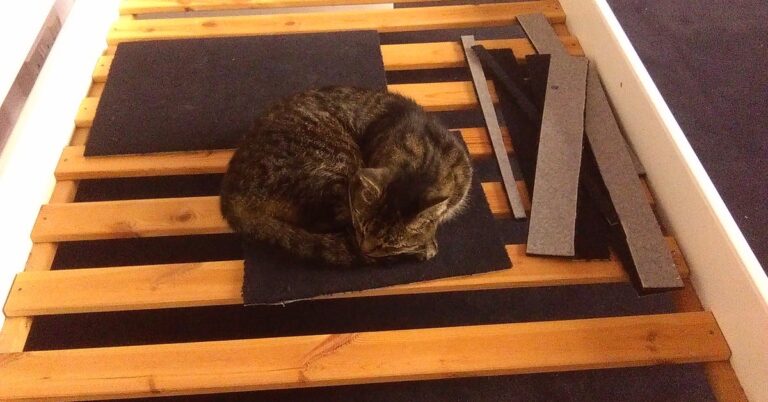
A mattress needs the same chemistry as laundry but a different technique, because you cannot rinse it out. The same steps answer how to get pee out of a mattress for any pet, and they are the standard way to clean cat urine from mattress fabric without soaking it. The goal is to treat only as wet as needed, lift the cleaner back out, and then give the mattress the long dry it needs. Learning how to get cat pee out of a mattress starts with stripping the bed, since the bedding usually holds much of the urine.
Step 1: Strip the bed and wash the bedding
Remove sheets, pillowcases, and any mattress protector, and wash them using the clothes method above. Blot the bare mattress with clean towels to lift as much fresh urine as possible, pressing firmly and swapping to a dry towel when one gets soaked.
Step 2: Apply an enzyme cleaner and let it dwell
Spray or pour an enzyme cleaner made for pet urine generously over the spot and slightly beyond its edges, so you treat the full area the urine reached. Let it sit for about 15 minutes, following your product label, so the enzymes have time to break down the urine compounds. PetMD recommends this dwell time for mattress treatment, and notes that mattresses may need several applications.
Step 3: Blot the cleaner back out
Press clean towels into the treated area to lift the cleaner and the broken-down urine with it. Do not flood the mattress with rinse water, since a soaked mattress dries slowly and trapped dampness can turn musty. If the smell remains after blotting, repeat the enzyme application once more before moving on.
Step 4: Deodorize with baking soda, then vacuum
Once the area is only slightly damp, sprinkle a generous layer of baking soda over the spot and leave it for several hours or overnight. Baking soda absorbs lingering odor as it dries. Vacuum it up thoroughly with an upholstery attachment, going over the spot more than once to pick up all the powder.
Step 5: Air dry fully before remaking the bed
Let the mattress air dry completely, with a fan moving room-temperature air over it and bedding kept off the spot. If bedtime arrives before it is dry, PetMD suggests layering clean towels over the spot, making the bed over them, and swapping the towels each day until the mattress is fully dry. Never use a steam cleaner or a hair dryer on the spot before the smell is gone.
What Not to Do on Clothes or a Mattress
A few common moves make cat urine harder to remove, and they are worth naming plainly. The biggest mistake when learning how to get cat pee out of clothes is reaching for hot water first, whether that means a hot wash, a dryer cycle, or a steam cleaner. Heat sets protein-based stains and their odor. Ammonia cleaners are the second trap: since ammonia is already part of urine odor, they can draw a cat back to the same spot. And never use chlorine bleach on urine-soaked laundry, since bleach can react with the ammonia in urine.
| Surface | First move | Rule to remember |
|---|---|---|
| Washable clothes | Blot, rinse cool, vinegar soak | Cold wash alone, air dry, sniff before heat |
| Mattress | Strip bedding, blot the mattress | Enzyme treat, blot out, long air dry |
| Dry clean only items | Blot gently, keep it dry | Take it to a cleaner and point out the stain |
Keep a small kit ready if your cat has accidents more than once: paper towels, white vinegar, baking soda, and an enzyme laundry product. Finding the spot early matters more than any single product, and a kit by the laundry area means you start blotting in minutes instead of hunting for supplies.
When Accidents Keep Happening
One accident is a cleaning job. Repeated accidents are a message worth checking out, since health problems, stress, or a litter box your cat dislikes can all sit behind them. A vet check rules out the medical causes first, and a fresh look at litter box location and cleanliness often fixes the rest. For the enzyme products behind these methods, see our explainer on enzyme cleaner for cat urine. For set-in stains that have dried long ago, see how to remove old pet stains from carpet for the repeat-treatment approach.
Repeated Accidents Deserve a Vet Check
If your cat starts peeing outside the litter box often, strains to pee, pees tiny amounts, or shows blood in the urine, book a vet visit promptly rather than treating it as a cleaning problem alone. Urinary problems can become serious fast, and early care protects your cat. Find an open vet near you on DaisyDu’s Live Vet Map
Protecting Clothes and Mattress Next Time
A waterproof mattress protector is the simplest upgrade after a mattress accident, since it keeps future urine on a washable layer instead of in the foam. For clothes, keep laundry baskets lidded or off the floor, and do not leave worn clothes in a pile on the bed if your cat has claimed that spot before. Washable throws over a favorite chair or bed corner give your cat a soft place to sit while keeping your bedding one layer removed from the next accident.
Once you know how to get cat pee out of clothes, the mattress method feels less daunting: same enzyme chemistry, same no-heat rule, just more patience on the drying step. Work cool, treat generously, sniff before heat, and most clothes and mattresses come back to fresh.
Can regular detergent alone remove cat urine from clothes?
Regular detergent cleans visible dirt, but it often leaves the odor compounds behind, so clothes can smell fine from the wash and then smell again once worn or warmed. Enzyme products break down those compounds instead of covering them. If you only have regular detergent, wash cold, air dry, and sniff carefully before ever using the dryer.
What should I do with a dry clean only item?
Blot it gently without rubbing, let it air dry away from heat, and take it to a dry cleaner soon. Point out the stain and say it is cat urine, since cleaners choose treatment based on stain type. Do not try a home soak or machine wash on a dry clean only garment, as that can shrink or damage it.
How long does a treated mattress take to dry?
A lightly treated mattress often needs a full day, and a deeply soaked spot can need two days or more, depending on airflow and room humidity. A fan blowing room-temperature air across the surface helps, while heat does not, since it risks setting odor left behind. Keep bedding off the spot until it feels dry.
Why does my cat keep peeing on my bed or laundry?
Common reasons include a medical problem, stress from a move or a new pet, or a litter box the cat dislikes, whether from location, cleanliness, or litter type. Many vets suggest one litter box per cat plus one extra, spread across the home. If the pattern is new or frequent, a vet visit should come before any retraining plan.
Need Local Pet Support or an Open Vet Near You?
Use DaisyDu's free neighborhood tools to find 24/7 open emergency animal hospitals, arrange local playdates, or broadcast a lost pet SOS alert.