How to Get Dog Pee Smell Out of Couch
Blot the spot at once, treat it with an enzyme cleaner made for pet urine, let it dwell as the label directs, then blot or extract the moisture and air dry. Check the care label first, test any cleaner in a hidden spot, and use no heat until the smell is gone, since heat can lock odor into upholstery.
Why does the couch still smell days after you cleaned it? If you are wondering how to get dog pee smell out of couch cushions for good, the answer usually sits deeper than the surface you wiped. Urine soaks past the fabric into cushion foam, and the compounds left behind can keep releasing odor long after the cushion looks clean. This guide shows how to treat the full depth of the stain, without soaking a couch the way you would soak a carpet.
A couch is not a carpet, and that difference drives every step here. Carpet can take a generous rinse and a wet vacuum pass, but upholstery holds water in foam and framing, where trapped dampness turns musty. For urine on carpet or rugs, see dog and cat urine on carpet. For the smell science in full, see how to remove cat urine smell, and for how enzyme products work, see enzyme cleaner for cat urine.
Why Couch Urine Smell Lingers
Urine leaves behind uric acid crystals that bond to fabric and are not water soluble, so plain water and ordinary cleaners wash over them without breaking them down. That explanation comes from Dr. Julie Hunt, a veterinarian quoted by Men’s Journal, who also notes that enzyme cleaners break those crystals down more effectively than vinegar and baking soda alone. The crystals also explain the classic comeback: a couch that smells fine in dry weather can smell strong again on a humid day, when moisture reactivates what is still in the fibers.
Cat urine is even more concentrated than dog urine, so the same steps clean cat urine from couch cushions as well as dog accidents, with longer dwell times for older spots. One method serves the whole household. If your couch has a removable cover, you get a bonus step: the cover can go in the machine while you treat the cushion inside.
Check the Care Label First
Before any liquid touches the couch, find the care tag, usually tucked under a cushion or along a back seam. Upholstery cleaning codes tell you what the fabric tolerates: W means water-based cleaners are fine, W/S means water or solvent, S means solvent only, and X means no liquid cleaning at all. A professional upholstery guide notes that W and W/S fabrics are the best candidates for home enzyme treatment, while S and X fabrics need a different approach or a professional.
Whatever the code says, test first. Dab a small amount of your cleaner on a hidden spot, such as a back corner or the underside of a cushion, and check after it dries for color change or stiffness. Men’s Journal quotes Dr. Hunt with the same advice: if you are unsure whether a product will take color out of the fabric, patch test on a part of the couch that is not commonly seen.
Couch Cleaning Method, Step by Step
Work on one cushion at a time, and keep pets off the couch until it is fully dry. The method below is the core of learning how to get dog pee smell out of couch fabric without drowning the foam underneath. It is also the direct answer to how do you get urine smell out of a couch, the phrasing many owners search when the stain itself is already dry.
Step 1: Blot, then dilute lightly
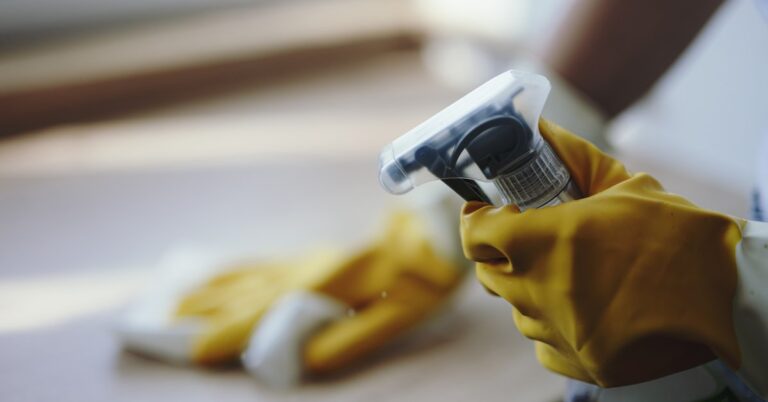
Press thick towels or paper towels firmly onto the spot, using your body weight, and swap to dry towels until no more liquid lifts. Spray a small amount of clean cool water onto the area and blot again, diluting the urine so you can lift more of it. Do not rub, since rubbing spreads urine wider and pushes it deeper into the cushion.
Step 2: Apply an enzyme cleaner generously
Spray or pour an enzyme cleaner made for pet urine over the spot and a little beyond its edges, since urine spreads further inside a cushion than it appears to on the surface. The area should be as damp as the original accident was, so the enzymes can reach the urine that soaked in. Follow the product label for dwell time, usually around 15 minutes for a fresh spot.
Step 3: Let it dwell, longer for old stains
Give the enzymes time to break down the uric acid crystals. Fresh spots often need only the label dwell time, but Men’s Journal notes that heavily soiled cushions may need the cleaner left covered with a damp cloth for 12 to 72 hours to break down crystals deep in the fibers. Keep the area damp during a long dwell, and keep pets away from it.
Step 4: Blot or extract the moisture
Blot up the cleaner with clean towels, pressing firmly and repeating until the towels come back nearly dry. If you have a wet/dry vacuum with an upholstery attachment, use it to pull moisture from the cushion, since extraction removes more liquid than towels alone. Use only a little rinse water, if any, and never flood the cushion.
Step 5: Air dry fully, then sniff test
Let the cushion air dry at room temperature, with air moving across it and no heat from a hair dryer, radiator, or steam cleaner. Drying can take 12 to 48 hours for a thick cushion. Smell the spot when dry, and if odor remains, repeat the enzyme treatment with a longer dwell before you consider the job done.
Leather and Special Fabrics
Leather handles urine differently from fabric, since it does not absorb liquid the same way. Blot at once, wipe with a lightly damp cloth, and dry with a soft towel, then condition the leather once it is fully dry if your leather care product allows it. Use an enzyme cleaner on leather only if its label says it is safe for leather, and test in a hidden spot first, since some cleaners can discolor a finish.
For delicate fabrics such as velvet or chenille, Men’s Journal notes that some cleaning professionals use rubbing alcohol because it breaks down urine and evaporates without weighing the fabric down. Treat this as a patch-test-only option, never a first move, and skip it entirely on fabrics your care label marks solvent-only or no-liquid. When in doubt, a professional upholstery cleaner costs less than a ruined cushion.
Old and Hidden Stains
Old stains are the hardest part of this job, and the first step is finding all of them. A UV or black light in a darkened room makes dried urine glow, revealing spots you would otherwise miss and re-treat later. Mark each spot lightly with a safety pin or a small piece of tape on the cushion edge, so you treat the full area and not just the visible stain.
For set-in stains, repeat the enzyme method with a long dwell, and treat the cushion and the frame fabric beneath it if the cushion is removable. If the smell keeps returning after two full enzyme treatments, the foam itself may be holding the odor, and that is the point where a professional cold-water extraction, or replacing the cushion insert, becomes the honest next step. For other set-in pet stains, see how to remove old pet stains from carpet, and for the full carpet method, see dog and cat urine on carpet again for comparison.
| Couch type | Approach | Watch out for |
|---|---|---|
| Fabric, removable covers | Enzyme treat the cushion, machine wash the cover | Heat before the smell is gone |
| Fabric, fixed covers | Enzyme treat, blot or extract, long air dry | Soaking the foam underneath |
| Leather | Blot, damp wipe, dry, condition | Cleaners not labeled safe for leather |
| Delicate or code S/X fabric | Patch test only, or call a professional | Liquid damage to the fabric or finish |
Put a washable throw over the spot your pet favors most, and wash it weekly. A throw takes the next accident instead of the cushion, and it turns a deep-cleaning job into a laundry load. This matters most during house training, when accidents are frequent and cushions never quite get a full drying window.
When Couch Accidents Need a Vet
A single accident during house training is normal. A house-trained dog that suddenly starts peeing on the couch, or a cat that switches from the litter box to the furniture, may be signaling a medical problem, anxiety, or a change at home that stressed them. Cleaning the couch matters, but it will not fix a cause that keeps repeating. If accidents are new, frequent, or paired with straining, blood, or big changes in drinking and peeing, a vet visit comes first.
New or Frequent Accidents Deserve a Vet Check
Sudden house-soiling, straining to pee, blood in urine, or a big change in how often your pet drinks or pees can signal a urinary problem that needs prompt care, not just better cleaning. Book a vet visit before you assume it is behavior alone. Find an open vet near you on DaisyDu’s Live Vet Map
Keeping the Couch Fresh Afterward
Vacuum the couch weekly to lift hair and dander before they trap odor, and re-treat any faint smell early, while the stain is still shallow. A baking soda sprinkle left for a few hours and vacuumed up can freshen a clean couch between deep treatments, but it is a deodorizer, not a urine treatment, so it never replaces the enzyme step on a real accident. Once you know how to get dog pee smell out of couch cushions properly, the follow-up is simple: blot fast, treat deep, dry fully, and never let heat near a stain that still smells.
Can I use a steam cleaner on a pee-stained couch?
Only after an enzyme treatment has fully broken down the urine and the smell is gone. Steam and hot water applied too early can set urine proteins and uric acid crystals into the fabric, locking odor in place. For general freshness, do the enzyme step first, let the cushion dry, sniff test it, and only then use the steam cleaner.
Will vinegar and baking soda alone fix couch urine smell?
They can help with a fresh, shallow spot, but they rarely finish the job alone, since neither breaks down uric acid crystals the way an enzyme cleaner does. Use them as a stopgap if no enzyme cleaner is on hand, then follow with an enzyme treatment. A couch that smells clean after vinegar alone smells again on a humid day.
How long does a treated couch cushion take to dry?
A thin seat cushion may dry overnight, while a thick foam cushion can need 12 to 48 hours with airflow at room temperature. Keep the cushion off the frame and away from heat while it dries, and do not sit on it until it feels dry throughout. Sitting on a damp cushion compresses the foam and slows drying.
Why does the smell come back on humid days?
Humidity reactivates uric acid crystals left in the fibers, so a couch can smell clean in dry weather and strong again when the air turns damp. The fix is not more fragrance, but another enzyme treatment with a longer dwell, followed by extraction and drying. If the smell returns after two treatments, the foam may need professional extraction or replacement.
Need Local Pet Support or an Open Vet Near You?
Use DaisyDu's free neighborhood tools to find 24/7 open emergency animal hospitals, arrange local playdates, or broadcast a lost pet SOS alert.